
The Final Bow: Inside the Assembly of the Last Bugatti W-16 Mistral
Introduction: Turning the Page on an Era of Automotive Engineering
Over the past ten years in the automotive industry, I have witnessed countless powertrain architectures come and go, but few have dominated the landscape quite like Bugatti’s quad-turbocharged W-16. Standing in the historic heart of Molsheim, France, watching the final Bugatti Mistral roll off the production line feels like watching the closing minutes of a legendary cinematic masterpiece. This milestone car, designated number 99 and proudly christened “The last of its kind,” signifies the absolute final chapter for a road-going engine that redefined what hypercars could achieve.
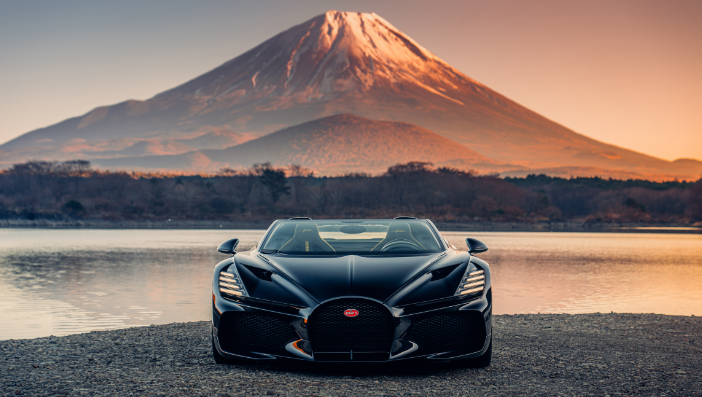
As we look toward the future, the transition to high-performance hybrid powertrains and upcoming luxury vehicle investments means the industry is shifting gears rapidly. Yet, taking a moment to unpack the engineering legacy of this final roadster reveals why the W-16 remains a benchmark for automotive excellence.
The Legacy of the Quad-Turbo W-16 Powertrain
When Bugatti first introduced the W-16 architecture, skeptics doubted whether a sixteen-cylinder layout could be managed efficiently in a passenger car. Over two decades, through the Veyron, Chiron, and finally the Mistral roadster, that doubt was thoroughly dismantled.
The W-16 powerhouse is an engineering marvel. Displacing 8.0 liters and forced-inducted by four turbochargers, it delivers mind-bending horsepower numbers that turned highway cruising into a near-teleportation experience. The pinnacle of this road-going legacy culminated in the Bugatti Mistral securing its crown as the fastest open-roof production vehicle in the world, hitting an astonishing 282 mph at Papenburg.
For collectors and high-net-worth investors seeking elite supercar insurance policies, rare vehicle financing, or automotive asset management, cars like the Mistral represent the absolute peak of internal combustion collecting. With only 99 units built—a stark contrast to the 500 Chirons produced—its exclusivity guarantees its status as a crown jewel in future collector car auctions.
Bespoke Craftsmanship: Aesthetic Details of Car Number 99
True to Molsheim tradition, the final Mistral is a rolling gallery of bespoke hypercar customization. The exterior is wrapped in a subtle, sophisticated two-tone finish featuring Pearl and Sparkle, blending seamlessly under showroom lighting.
Step inside the cabin, and the bespoke experience deepens:
Interior Palette: Upholstered primarily in rich Magnolia leather paired with Grey Carbon Matt accents.
Heritage Signatures: The iconic signature of company founder Ettore Bugatti is meticulously etched into the headrests, aluminum door sills, and the engine cover itself.
Artisanal Touch: A frozen crystal glass plate embedded on the armrest bears the inscription “Spirit of the Wind,” paying homage to the enduring partnership between Bugatti and French crystal maker Lalique.
While recent creations like the porcelain-adorned Blanc Eternal showcase wilder artistic expressions, car number 99 strikes a mature, deeply emotional chord. It is understated, elegant, and dripping with heritage.
Looking Ahead: The Dawn of the V-16 Tourbillon
Every ending clears the path for a new beginning. The retirement of the W-16 from road-going production does not mean Bugatti is done pushing boundaries; rather, it marks a calculated pivot. The brand has officially inaugurated its brand-new production home, La Manufacture, which will serve as the manufacturing hub for the next-generation Tourbillon.
Moving away from forced induction for its core internal combustion component, the Tourbillon introduces a naturally aspirated 8.3-liter V-16 engine paired with cutting-edge electric motors. For automotive enthusiasts tracking luxury automotive investments, this signals a massive paradigm shift. The shift toward hybrid hypercars indicates that performance metrics, collector demand, and valuation trends will focus heavily on how legacy brands balance electric assistance with traditional mechanical soul.
Conclusion: Securing a Piece of History
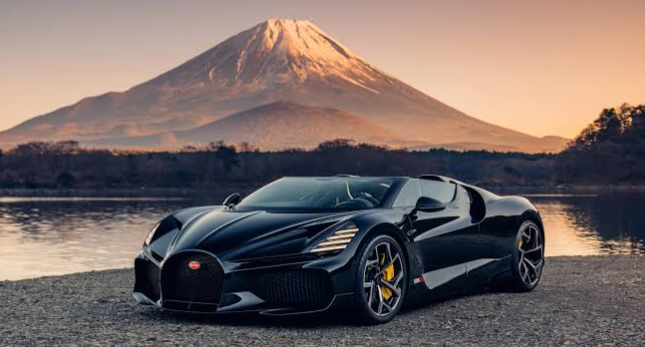
The completion of the final Mistral closes a legendary chapter in automotive engineering history, reminding us why the quad-turbo W-16 captured our imaginations for decades. As Molsheim pivots toward the V-16 Tourbillon era, the appreciation for these final pure-combustion masterpieces will only grow.
If you are exploring elite vehicle acquisitions, luxury car insurance options, or want to discuss how to future-proof your high-end automotive portfolio as the market transitions to hybrid hypercars, let’s connect. Reach out today to schedule a private consultation on navigating the changing landscape of elite automotive investments.