
The Ultimate Guide to Understanding Vehicle Weight Ratings and the One-Truck Toyota Tundra Recall
As an automotive industry veteran with over a decade of hands-on experience working alongside fleet managers, dealerships, and regulatory compliance specialists, I have seen my fair share of vehicle recalls. Over the past 10 years, I’ve analyzed thousands of safety bulletins issued by the National Highway Traffic Safety Administration (NHTSA). We are all accustomed to massive campaigns affecting hundreds of thousands—sometimes millions—of vehicles, ranging from faulty airbags to complex powertrain software glitches. However, every once in a while, a safety bulletin crosses my desk that stops me in my tracks due to its sheer exclusivity.
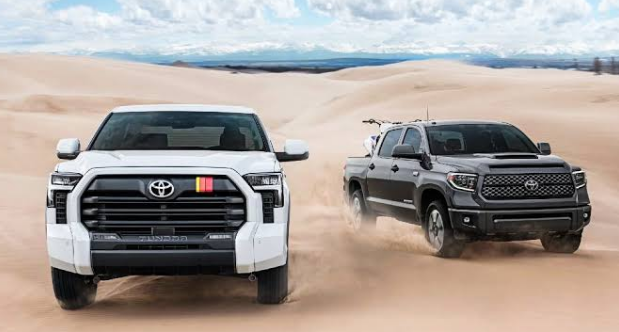
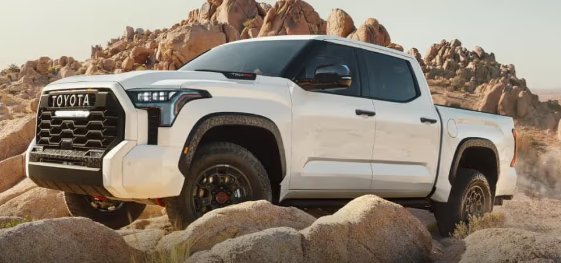
We are currently witnessing one of the most unique safety campaigns in modern automotive history: a formal recall affecting precisely one single vehicle. A Florida-based Toyota distributor has issued a recall for just one unit of the 2026 Toyota Tundra pickup.
While a single-vehicle recall sounds like an anomaly, it opens up a broader, highly critical conversation about Gross Vehicle Weight Rating (GVWR), vehicle safety certification, aftermarket accessories, and commercial liability. Whether you are looking to purchase a heavy-duty pickup truck, exploring auto insurance policies, or managing a commercial fleet, understanding how payload capacity and weight labels are regulated is vital. Let’s dive deep into the mechanics of this rare recall, explore why federal compliance matters, and examine how proper weight management protects you on the road.
Anatomy of a Recall: Why One 2026 Toyota Tundra Triggered Federal Action
To appreciate the scale—or lack thereof—of this campaign, we need to look at how vehicles move from the assembly line to dealership showrooms, especially through regional distribution networks.
In the United States, independent distributors play a massive role in vehicle logistics. In the Southeast, Southeast Toyota Distributors acts as a major regional powerhouse, often customizing trucks with port-installed or dealer-installed accessories before they reach retail buyers. These packages can include everything from upgraded off-road suspension components and heavy-duty bumpers to specialized tonneau covers, winches, and premium wheel assemblies.
According to official NHTSA filings submitted on July 6, 2026, an internal database audit revealed a glaring discrepancy on a single 2026 Toyota Tundra pickup. The truck had been built with an inadvertent accessory package deletion on its official build sheet, meaning a specific set of add-ons was physically installed on the vehicle but left off the final weight calculations.
The Core Issue: Federal Motor Vehicle Safety Standards (FMVSS)
The heart of this recall is not a mechanical failure, a weak frame, or a malfunctioning braking system. The truck itself is structurally sound, and its mechanical payload capacity is fully capable of handling the installed components. Instead, the violation falls squarely under federal labeling regulations governing vehicle weight compliance.
Under federal guidelines, any modification made to a vehicle between its final factory certification and its first retail sale must be meticulously accounted for. If accessories are added, the vehicle must receive an updated load-carrying capacity modification label.
According to the official recall documentation:
“In the affected vehicle, the current load carrying capacity modification label does not reflect a value that is accurate to within one percent (1%) of the weight of accessories installed on the vehicle between final certification and first retail sale.”
Why is a 1% margin so fiercely protected by federal regulators? Because inaccurate weight ratings introduce compounding risks over the lifespan of a vehicle.
Decoding GVWR, Payload Capacity, and Safety Compliance
For everyday drivers, terms like Gross Vehicle Weight Rating (GVWR), payload, and curb weight are often overlooked acronyms printed on a door jamb sticker. However, for fleet operators, commercial truck buyers, and safety regulators, these metrics form the backbone of highway safety.
What is Gross Vehicle Weight Rating (GVWR)?
GVWR is the maximum operating weight/mass of a vehicle as specified by the manufacturer, including the vehicle’s chassis, body, engine, fluids, fuel, accessories, driver, passengers, and cargo combined. Exceeding this rating compromises braking distances, stresses suspension components, and wears out tires prematurely.
The Hidden Weight of Aftermarket Accessories
When buyers purchase a truck, they love adding custom gear. However, every steel bumper, roof rack, bed liner, and electronic winch adds pounds to the vehicle’s “curb weight.”
Curb weight + Passengers + Cargo = Total Operational Weight.
As curb weight increases due to accessories, total available payload capacity decreases.
In the case of the solitary 2026 Toyota Tundra caught in this recall, the added accessory weight did not actually exceed the truck’s physical payload limit. The mechanical capacity was there; the paperwork and sticker, however, were not synchronized.
Why Paperwork Errors Still Demand Recalls
A casual observer might ask: If the truck can safely handle the weight, why issue a federal recall for just one vehicle?
The answer lies in worst-case scenario risk management. If a vehicle owner relies on an incorrect weight label, they might inadvertently overload the truck when loading up heavy equipment, towing a heavy trailer, or packing passengers for a long road trip. Overloading a pickup truck degrades steering response, increases rollover risks, and drastically extends stopping distances in an emergency. Federal safety standards leave zero room for ambiguity when it comes to consumer protection and vehicle transparency.
The Broader Impact: Quality Control, Dealership Logistics, and Consumer Trust
This bizarre incident highlights the intricate digital tracking systems used by modern automotive manufacturers. Southeast Toyota Distributors uncovered this error after a sharp-eyed dealer noticed a mismatch between physical accessories and the vehicle’s official documentation.
In the automotive industry, traceability is everything. From high-end luxury sedans to heavy-duty commercial fleets, modern inventory systems track thousands of data points per vehicle. When a discrepancy is flagged—even if it affects only one unit out of hundreds of thousands produced—regulatory frameworks require absolute transparency and swift corrective action.
How the Issue is Being Resolved
For the lucky (and likely bewildered) owner of this particular Tundra, the remedy is remarkably straightforward. There are no trip-ups to the service bay, no engine teardowns, and no mechanical repairs required.
Instead, the remedy consists of:
Receiving an official notice of noncompliance from the distributor.
Being mailed a corrected, federally compliant load-carrying capacity modification label.
Applying the new sticker to the vehicle to restore full road-legal compliance.
While automotive journalists and internet sleuths have actively tried to track down exactly which rogue accessory package triggered this single-vehicle event, the broader lesson transcends trivia. It serves as a reminder of the rigorous standards governing the automotive market.
Expert Recommendations for Truck Buyers and Fleet Managers
Drawing from my decade of experience consulting for automotive retail networks and commercial fleet operations, I always advise buyers to pay close attention to vehicle specifications and modifications. Whether you are investing in a personal weekend warrior or expanding a commercial fleet, keep these best practices in mind:
Audit Custom Packages: If you are purchasing a new truck with dealer-installed or port-installed accessories, always cross-reference the build sheet with the physical equipment on the vehicle.
Monitor Weight Ratings: Be mindful of how heavy aftermarket upgrades (such as steel replacement bumpers, multi-battery setups, or heavy toolboxes) eat into your total payload capacity.
Review Insurance and Financing Requirements: For commercial operators, maintaining accurate GVWR compliance is crucial for commercial auto insurance underwriting and Department of Transportation (DOT) audits. Mismatched weight tags can complicate claims in the event of an accident.
Conclusion
The story of the single-recalled 2026 Toyota Tundra will undoubtedly go down in automotive folklore as a fascinating trivia question. Yet, beneath the novelty lies a testament to the precision required in modern vehicle manufacturing and regulatory compliance. Accurate labeling, transparent specifications, and rigorous quality control ensure that every vehicle on our highways operates safely within its designed limits.
If you are in the market for a dependable, high-performance pickup truck or need expert guidance on tailoring your next vehicle build for optimal utility and safety, now is the time to consult with certified professionals who understand the nuances of modern engineering. Reach out to your local authorized dealership or trusted automotive specialist today to explore the latest compliant models and find the perfect truck engineered for your exact demands.