
Why Polestar’s U.S. Exit Marks a Turning Point for the Global Electric Vehicle Market
The electric vehicle industry is currently undergoing a massive structural transformation, driven as much by geopolitical strategy as it is by battery technology and charging infrastructure. For automotive brands operating internationally, navigating the complex intersection of trade policy, supply chain localization, and regulatory compliance has never been more challenging.
The recent announcement that Swedish electric vehicle manufacturer Polestar will officially exit the U.S. market rather than appeal a federal sales ban highlights the immense pressure facing foreign-owned automotive companies. Driven by the U.S. Department of Commerce’s stringent Connected Vehicle Rule, this development reshapes the competitive landscape for luxury electric vehicles and offers critical lessons for automotive industry stakeholders, retail dealer networks, and global EV supply chains.
The Regulatory Catalyst: Understanding the Connected Vehicle Rule
At the heart of Polestar’s market departure is the U.S. Department of Commerce’s regulatory framework targeting connected-vehicle technology linked to foreign adversaries, specifically China and Russia. Starting with the 2027 model year, federal policies prohibit the import and sale of vehicles equipped with software or hardware architectures tied to these regions, citing national security concerns regarding data privacy, onboard cameras, and cellular telematics.
As an electric vehicle manufacturer backed by the Chinese automotive conglomerate Geely, Polestar found itself directly in the crosshairs of these sweeping national security evaluations. Despite extensive dialogue between Polestar executives and federal authorities, the U.S. government ultimately declined to grant the brand a special operational authorization. Rather than pursuing an unpredictable, costly court battle or formal appeal, corporate leadership decided to redeploy capital toward regions with more predictable regulatory pathways, heavily weighting future investments toward the European market.
The Paradox of Exemptions: The Volvo and Geely Dynamic
What makes Polestar’s exclusion particularly jarring for automotive analysts and retail partners is the stark contrast within its own corporate family. Volvo Cars—which is also owned by Geely and shares deep engineering, platform, and software lineages with Polestar—successfully secured an exemption to continue selling vehicles in the United States.
To achieve this regulatory clearance, Volvo navigated a rigorous review process with the Office of Information and Communications Technology and Services. This mandated comprehensive disclosures concerning corporate governance, proprietary software engineering, and strict data security protocols.
Industry insiders and dealer communications reviewed by financial news outlets indicate that Polestar executives felt blindsided by the disparate treatment, noting that identical corporate parentage did not yield identical regulatory outcomes. Because exemptions are handled on a strict, case-by-case evaluation basis, Polestar’s specific ownership structure, supply chain dependencies, and software integration models failed to clear the federal compliance bar.
Ripple Effects Across Retail Networks and Dealerships
The abrupt truncation of Polestar’s U.S. footprint has immediate, high-stakes consequences for its domestic retail partners. The brand’s network of independent franchise dealers now faces profound financial uncertainty.
Under various state franchise laws, automotive manufacturers terminating operations or exiting a domestic market outside of bankruptcy proceedings can be held legally liable for substantial dealer compensation. This includes mandatory buybacks for unsold vehicle inventory, compensation for specialized showroom upgrades, and payouts reflecting the fair market value of franchise agreements. With individual franchise investments running into the tens of millions of dollars, legal disputes and litigation from aggrieved dealership owners threaten to create ongoing friction during the wind-down process.
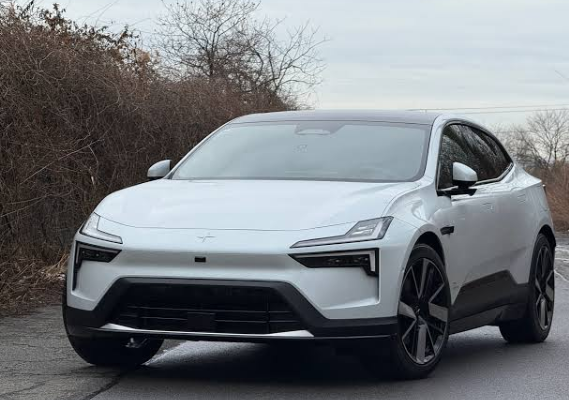
Furthermore, this market exit follows prior operational headwinds, including heavy tariffs on Chinese-built models that previously forced the discontinuation of the Polestar 2 sedan in the U.S. Although existing vehicle owners will retain full access to parts, maintenance, and the established service network, prospective buyers looking for upcoming models like the Polestar 4 will no longer find them through official domestic channels.
Strategic Pivots and the Future of Global EV Commerce
Polestar’s withdrawal underscores a broader evolution in the global automotive sector: localization is no longer just about reducing logistics costs—it is a mandatory condition for market survival. As governments worldwide tighten scrutiny over connected vehicle operating systems, over-the-air update capabilities, and cloud telemetry, automakers must future-proof their supply chains against sudden geopolitical shifts.
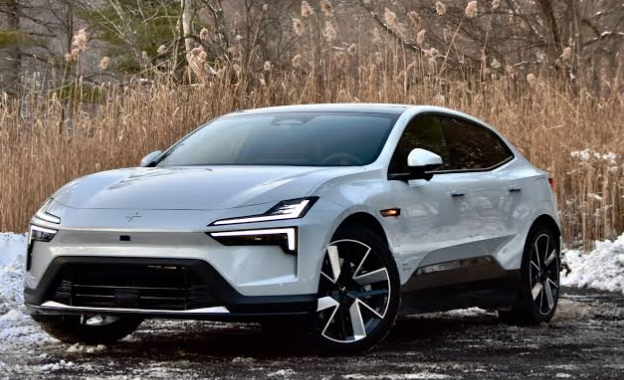
For Polestar, reallocating resources toward Europe represents a strategic retreat to core strongholds where its brand equity is deeply entrenched and regulatory alignments are more favorable. However, ceding the North American market creates an opening for competing electric vehicle manufacturers to capture luxury EV market share.
Navigating today’s volatile regulatory environment requires constant vigilance, proactive compliance strategies, and expert guidance. If your organization is evaluating how international trade shifts, evolving EV policies, or supply chain transformations impact your fleet investments or retail portfolio, take the next step by scheduling a consultation with our industry advisory team today to safeguard your long-term market strategy.