
The Ultimate Porsche 911 Comparison: GT3 RS 4.0 vs 911 R vs S/T in 2025
Evaluating the greatest water-cooled sports cars ever to emerge from Stuttgart requires more than just a passing glance at a spec sheet. After a decade of testing, reviewing, and analyzing high-performance exotic cars, I have found that certain machines transcend simple transportation to become rolling mechanical masterclasses. Today, the automotive landscape is shifting dramatically. Yet, three specific modern masterpieces stand defiantly against the digital tide. This comprehensive Porsche 911 comparison pits the legendary 997-generation GT3 RS 4.0, the purist-focused 991-generation 911 R, and the highly evolved 992-generation 911 S/T against one another.
Each of these three vehicles captures a distinct philosophy of performance. They represent the absolute pinnacle of naturally aspirated flat-six engineering paired with a proper six-speed manual transmission. When undertaking a thorough Porsche 911 comparison, the objective is not merely to find the fastest lap time, but to determine which car delivers the most intoxicating, unfiltered driving experience.
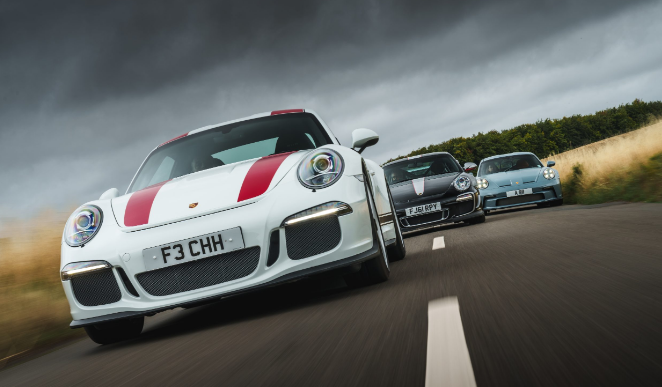
The Genesis of the Ultimate Porsche 911 Comparison
To understand why this specific Porsche 911 comparison matters to collectors and driving enthusiasts alike, we must look at the lineage. Porsche has built countless variations of its rear-engine icon, but the GT3 RS 4.0, the 911 R, and the S/T share a unique bloodline. They are limited-production, driver-focused specials that prioritize tactile feedback over sheer numerical dominance.
In my ten years of evaluating luxury sports cars for sale, I have rarely seen three vehicles from the same manufacturer generate such intense debate. The GT3 RS 4.0 represents raw, uncompromising track focus translated for the street. The 911 R is a road-biased scalpel, stripped of massive aerodynamic wings to offer stealthy, elegant purity. The S/T, built to commemorate the 60th anniversary of the 911, takes the razor-sharp front suspension of the modern GT3 RS and blends it with a lightweight, street-tuned ethos.
Conducting a Porsche 911 comparison of this magnitude requires the perfect environment. Whether you are navigating the winding asphalt of Southern California canyon roads, turning heads at exclusive Miami exotic car meets, or putting down blistering times at Texas track days, each of these cars reacts entirely differently to the tarmac beneath its Michelin Cup 2 tires.
Contender One: The 997 Porsche 911 GT3 RS 4.0
Stepping into the 997-era GT3 RS 4.0 feels like stepping into a different century, and I mean that as the highest possible compliment. The interior lacks the massive digital screens of modern iterations. Instead, you are greeted by analog dials, an uncompromising bucket seat, and an abundance of Alcantara.
In any rigorous Porsche 911 comparison, the RS 4.0 stands out because of its power plant. It features the ultimate evolution of the legendary “Mezger” engine. Displacing a full 4.0 liters, this naturally aspirated flat-six starts with a mechanical, metallic clatter that signals serious intent. The heavy clutch requires substantial physical effort, and slotting the stubby gear lever into first gear demands deliberate, muscular action.
On the road, the RS 4.0 is visceral. It utilizes hydraulically assisted power steering, a feature that has become the holy grail for purists. The feedback through the steering wheel is absolute; you can feel the texture of the painted lines on the road. The ride is stiff, bordering on harsh, transmitting every micro-imperfection directly to the driver’s seat. Yet, this uncompromising nature is exactly why it remains a blue-chip asset in the world of Porsche 911 collector cars.
Revving the Mezger engine past 8,000 RPM produces a sound that modern regulations simply no longer allow. The mid-range torque is robust, but the upper echelon of the rev range is where this car achieves immortality. For buyers utilizing exotic car financing to secure a piece of automotive history, the RS 4.0, limited to just 600 units globally, is arguably the crown jewel of any serious Porsche 911 comparison.
Contender Two: The 991 Porsche 911 R
Moving directly from the RS 4.0 to the 991-generation 911 R induces a profound sense of contrast. When Porsche released the 991 GT3 exclusively with a PDK automatic transmission, the outcry from purists was deafening. The 911 R was Stuttgart’s brilliant, limited-production apology.
Aesthetically, the 911 R lacks the massive fixed rear wing of its RS brethren, utilizing a retractable spoiler to maintain a classic, understated silhouette. In the context of our Porsche 911 comparison, the R represents the shift toward ultimate street refinement.
Igniting the 4.0-liter engine in the 911 R reveals a vastly different character. It spins up with a startling lack of inertia, thanks to a single-mass flywheel. The clutch is significantly lighter than the 997, and the gearshift is slick, fast, and effortless. But the most shocking revelation in this Porsche 911 comparison is the ride quality.
The 911 R glides over road imperfections. The damping is so exquisitely tuned that you could legitimately drive this car across the country in absolute comfort. The cabin is quieter, the materials are highly refined, and the inclusion of rear-wheel steering masks the fact that the 991 generation sits on a wheelbase over 10 centimeters longer than the 997.
However, the steering is electrically assisted (EPS). While Porsche engineers tuned this EPS better than almost anyone else in the industry, it inherently lacks the final five percent of gritty, granular feedback provided by the older hydraulic rack. Despite this, the engine is an absolute triumph. Many experts find that the 911 R’s power plant breathes a fraction more freely and sings a slightly sweeter tune than even the revered Mezger, making it a formidable opponent in any Porsche 911 comparison.
Contender Three: The 992 Porsche 911 S/T
If the RS 4.0 is the track-bred brute and the 911 R is the refined road artist, the 992-generation 911 S/T aims to split the difference with surgical precision. Born from the architecture of the 992 GT3 Touring but injected with the potent engine of the modern GT3 RS, the S/T is the most technologically advanced vehicle in this Porsche 911 comparison.
Porsche went to extraordinary lengths to shave weight from the 992 chassis. Over a dozen years and two distinct generations separate the RS 4.0 and the S/T, yet the modern car weighs only 20 kilograms more than its ancestor. This is a monumental engineering feat considering modern safety regulations and the larger physical footprint of the 992 platform.
The defining characteristic of the S/T in this Porsche 911 comparison is its front suspension. Unlike the RS 4.0 and the 911 R, which utilize traditional MacPherson struts, the S/T features a double-wishbone front axle. This drastically improves front-end grip, turn-in response, and overall stability. Interestingly, Porsche engineers intentionally removed the rear-wheel steering system found on the standard GT3 to save weight and deliver a purer, more organic yaw response.
The S/T feels phenomenally fast. The engine produces slightly more power than the older cars, but the real magic lies in the exceptionally short gear ratios. You are constantly engaged, firing through the six-speed manual gearbox to keep the naturally aspirated flat-six in its optimal power band. The suspension compliance strikes a masterful balance—far more forgiving than the bone-shaking RS 4.0, yet slightly more tied-down and urgent than the 911 R.
Navigating the Luxury Sports Car Market: Valuations and Investment
A thorough Porsche 911 comparison in 2025 cannot ignore the financial realities of these machines. We are not just discussing automobiles; we are analyzing high-yield alternative assets. The market for high-performance exotic cars has matured, and the metrics used to evaluate luxury sports cars for sale have evolved.
For the modern collector, Porsche 911 investment potential is a massive driving factor. The 997 GT3 RS 4.0, with its extreme scarcity (600 units) and historical significance as the finale of the Mezger engine, commands staggering premiums. It is the ultimate garage queen for some, though it demands to be driven.
The 911 R, limited to 991 units, experienced one of the most volatile market bubbles upon its release, with flippers doubling their money almost overnight. Today, the market has stabilized, but it remains a blue-chip asset.
The 911 S/T, with 1,963 units produced to honor the birth year of the 911, is currently the darling of the luxury car market. Many buyers looking into sports car financing see the S/T as the ultimate blend of modern reliability and classic analog engagement. When conducting a Porsche 911 comparison for clients looking to allocate capital, the S/T represents the best usable asset, while the RS 4.0 represents the ultimate long-term hold.
Driving Dynamics: The Soul of the Machines
Specs and market valuations fade away the moment you attack a ribbon of twisting asphalt. To truly crown a winner in this ultimate Porsche 911 comparison, we must evaluate how these cars make the driver feel.
Taking the 992 S/T through a sweeping mountain pass is an exercise in modern perfection. The double-wishbone front end darts into apexes with a telepathic urgency. The shorter gearing means you get to experience the mechanical symphony of the 4.0-liter engine far more often without immediately entering illegal speeds. It is astonishingly capable, arguably the most complete and objectively “best” car in this entire Porsche 911 comparison.
Yet, when you slide behind the wheel of the 911 R, the priority shifts from outright pace to fluid momentum. The 911 R is a car you want to drive every single day. If you live in an area with spectacular coastal highways, the R is the ultimate companion. It does not punish you. It collaborates with you. In a Porsche 911 comparison based solely on the metric of “which car would I choose for a 1,000-mile road trip,” the 911 R wins effortlessly.
Then there is the GT3 RS 4.0. It is loud. It is stiff. It requires muscle, sweat, and absolute concentration. If you make a mistake, it will not gently correct you with an invisible net of modern electronics. It demands perfection from the person in the left seat.
But when the tires are warm, the road is clear, and the Mezger engine crosses 6,000 RPM, the RS 4.0 delivers a high that the other two simply cannot replicate. The hydraulic steering chatters in your hands, transmitting the exact friction coefficient of the road surface. In that fleeting, crystalline moment, the RS 4.0 transcends logic.
The Verdict of the Ultimate Porsche 911 Comparison
Reaching a conclusion in a Porsche 911 comparison of this caliber is an agonizing exercise for any automotive professional. Every metric of logic dictates that the new 911 S/T is the apex predator. It is objectively the fastest, the most technologically advanced, and features the most beautifully designed interior. It blends the best traits of its ancestors into a package that is incredibly difficult to fault.
If usability dictates your purchasing logic, the 911 R is the most elegant, compliant, and road-friendly option. It proved that Porsche could build a GT car that didn’t need to shatter lap records to justify its existence.
However, cars of this magnitude are rarely purchased with logic. They are purchased with emotion, passion, and a desire to connect with mechanical engineering on a primal level.
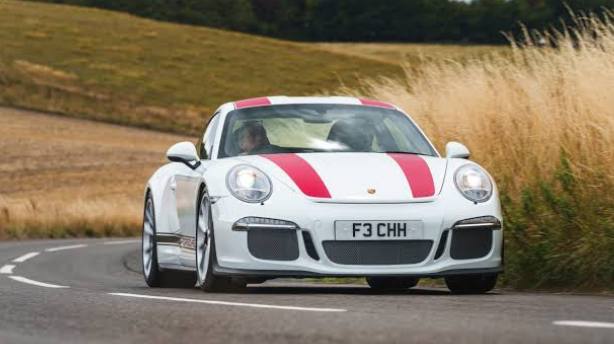
In this definitive Porsche 911 comparison, the 997 GT3 RS 4.0 remains the undisputed king of the sensory experience. It asks the most of you, but the reward it provides is unmatched by any production vehicle built in the 21st century. It is raw, unforgiving, and utterly glorious. The S/T is the best car here, but the GT3 RS 4.0 is the greatest.
To experience the tactile thrill of world-class automotive engineering, you need to feel the steering, hear the engine, and shift the gears yourself. Reach out to our team of specialized automotive consultants today to explore our exclusive inventory of collector-grade vehicles, and let us help you find the manual-transmission masterpiece that perfectly matches your driving philosophy.