
The French Luxury Car Paradox: Ambition, Hubris, and the Modern Automotive Landscape
Having spent the past decade evaluating high-end vehicles across global markets, I have often pondered the recurring ambition of French automakers to conquer the executive and prestige vehicle segments. For years, these repeated entries felt like classic examples of ambition outpacing execution—or perhaps sheer corporate hubris. However, while researching the complex history of domestic European manufacturing, my perspective shifted.
Recently sliding behind the wheel of the latest electric flagship—the high-end DS No 8 produced by the Stellantis automotive conglomerate—left me with a lingering sense of historical déjà vu. France has long been synonymous with high-end luxury goods, fine fashion, and haute couture, yet the nation has continuously struggled to translate that prestige into long-term success within the luxury car market.
A Storied Legacy of Ingenuity and Design
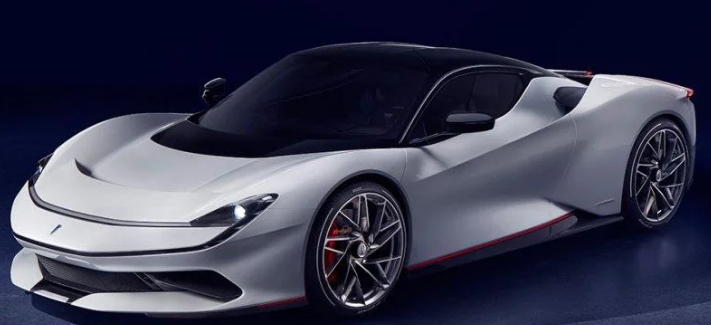
To understand modern French luxury automotive ventures, one must look back at historical icons like the original 1955 Citroën DS saloon. Styled by Flaminio Bertoni and engineered by André Lefèbvre, the vehicle was an absolute marvel. Its advanced hydropneumatic suspension delivered a ride quality that felt otherworldly, earning it high praise from cultural philosophers and public acclaim alike.
Rather than relying purely on traditional luxury styling, the original DS triumphed through sheer technological brilliance. Over 1.45 million units sold before its retirement in 1975. Yet, despite its iconic status, it was never strictly marketed as a conventional luxury car; it was a showcase of avant-garde engineering.
Historically, rival French manufacturers shared this relentless drive to challenge the German automotive hegemony. In 1929, Louis Renault unveiled the Reinastella, a massive 17-foot, 7.1-litre straight-six luxury saloon designed to compete directly against Rolls-Royce, Bentley, and Cadillac. Unfortunately, timing proved disastrous, as the launch coincided precisely with the onset of the Great Depression. Despite subsequent rebrandings as the Nervastella and Suprastella, the project was ultimately abandoned in 1942.
Post-War Turmoil and the Pons Plan
Following the conclusion of the Second World War, the French automotive industry faced severe structural shifts. The post-war Pons Plan favored large-scale industrial conglomerates, standardization, and high-volume exports over individual creative flair. Independent coachbuilders and prestigious marques like Delahaye, Delage, and Bugatti gradually faded into history.
Despite these hurdles, subsequent decades witnessed a series of ambitious executive models, including:
The Pininfarina-designed Peugeot 504 coupé, celebrated for its timeless lines.
The technologically adventurous Renault 21 executive saloon.
The polarizing, futuristic duo of the Renault Vel Satis and the Matra-built Avantime.
While vehicles like the Vel Satis attempted to disrupt the comfort zones of Stuttgart and Munich, they ultimately struggled with exorbitant development costs, shifting consumer preferences, and low sales volumes.
The Modern Era: Stellantis, DS, and the EV Transition
In the contemporary automotive landscape, legacy automakers must navigate tightening emissions regulations, high battery manufacturing costs, and fierce competition from premium electric vehicle (EV) startups. When Stellantis launched the upscale DS brand, the strategy aimed to capture a lucrative slice of high-margin prestige sales.
However, translating corporate strategy into showroom traffic remains a formidable challenge. While modern executives often champion domestic flagships—such as presidential processions along the Champs-Élysées—sales figures for ultra-exclusive models often lag far behind German rivals like Mercedes-Benz, BMW, and Audi.
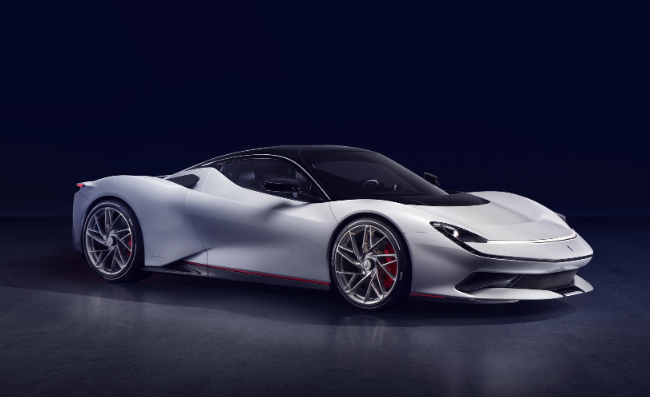
Furthermore, shifting fiscal policies continue to reshape European luxury consumption. France’s strict environmental tax structures, such as the malus écologique, penalize heavy vehicles and high-emission powertrains with escalating fees. While these regulations accelerate the transition toward sustainable mobility, they also create a challenging domestic economic climate for large, premium executive cars.
Navigating the Future of Automotive Prestige
Ultimately, the journey of French luxury vehicles illustrates a fascinating tension between brilliant artistic design and commercial pragmatism. For automotive enthusiasts, the audacity to constantly reinvent the prestige segment is admirable. Yet, long-term success in the upper echelons of the global market requires more than historical prestige—it demands unwavering brand equity, bulletproof reliability, and flawless market timing.
Are you looking to optimize your automotive portfolio or analyze upcoming vehicle trends for your fleet? Reach out to our advisory team today to schedule an expert consultation and discover tailored strategies for navigating the evolving luxury mobility market.