
The 2026 Range Rover GT: Redefining the Luxury Electric SUV Landscape
Having spent the last decade test-driving, analyzing, and critiquing the evolution of premium automobiles, I have witnessed the luxury SUV market undergo several seismic shifts. However, the latest strategic maneuver from Jaguar Land Rover (JLR) signals a transformation that even seasoned industry veterans are watching closely. The British automaker has officially pulled back the curtain on the interior, architecture, and nomenclature of an entirely new fourth model line: the Range Rover GT. Designed to seamlessly bridge the gap between a high-performance grand tourer and a traditional luxury SUV, this vehicle is not merely an addition to a fleet; it is a declaration of where the automotive industry is heading in 2025 and beyond.
For years, the luxury electric SUV segment has been dominated by a race for screen size and outright acceleration. But as the market matures, discerning buyers are demanding a more holistic approach to electrification. The Range Rover GT arrives at precisely this inflection point, riding on JLR’s state-of-the-art EMA (Electrified Modular Architecture) platform. Initially engineered to optimize pure electric performance, this highly flexible platform has been future-proofed to accommodate advanced plug-in hybrid systems in the future, perfectly aligning with fluctuating global market demands and the diverse needs of today’s premium vehicle consumer.
Market Positioning: Carving a New Niche
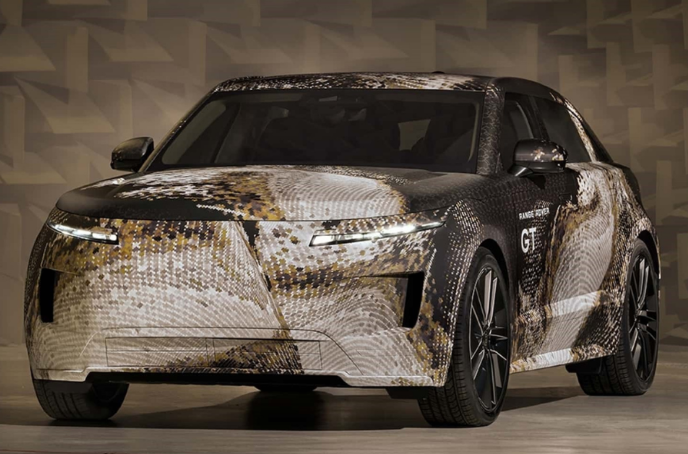
When rumors first surfaced about a new mid-sized JLR product, speculation naturally pointed toward a direct replacement for the aging Velar. Drawing on my ten years of analyzing automotive product cycles, I can confirm that this is not the case. The Velar, with its established audience and contemporary design, will continue to utilize its current stable of petrol, diesel, and plug-in hybrid powertrains for the foreseeable future. Instead, the Range Rover GT carves out a completely new space in the lineup.
In terms of physical footprint, the Range Rover GT stretches out, measuring much closer to the imposing Range Rover Sport in overall length. However, the critical differentiator lies in its stance. The vehicle rides significantly lower to the ground, trading the traditional upright, blocky silhouette for a remarkably sleek, coupe-like sloping roofline. This low-profile geometry is a radical departure for a brand built on commanding driving positions and boxy utility. By aggressively optimizing its drag coefficient, JLR engineers have crafted what is officially being touted as the “quietest Range Rover ever.” The aerodynamic gains directly translate to extended battery range and superior highway refinement, key metrics for anyone researching best luxury SUV lease deals or comparing premium EV range anxiety.
This deliberate lower ride height does mean the Range Rover GT will sacrifice a marginal degree of extreme rock-crawling capability. However, the reality of the modern luxury buyer is that these vehicles conquer tarmac far more often than topography. Equipped exclusively with a sophisticated dual-motor, four-wheel-drive system, the vehicle is engineered to dominate its segment in adverse conditions. JLR remains adamant that the Range Rover GT will operate at peak potential in environments ranging from a punishing -40°C to a scorching 50°C. Whether you are navigating a blizzard in Aspen or searching for a luxury electric SUV in Miami, this vehicle promises uncompromising dynamic stability.
The Reductive Interior: A Masterclass in Digital Detox
If the exterior of the Range Rover GT is a step into a new aerodynamic era, the interior is a bold rebellion against the current industry obsession with screen proliferation. Inside the cabin, JLR has doubled down on a “reductive” design philosophy, evolving the clean aesthetics introduced in recent facelifts into a truly bespoke, calming architecture. After years of testing vehicles where the dashboard resembles an electronics store, the Range Rover GT’s approach is a breath of fresh air.
The designers have prioritized a relaxing, distraction-free environment devoid of excessive ornamentation. Most notably, JLR has actively chosen not to install a dedicated passenger screen—a feature rapidly becoming standard in competitors like the Audi Q6, Mercedes-Benz GLC, and BMW X5. By eliminating the duplication of digital information, the cabin feels less like a mobile command center and more like a high-end architectural lounge.
Essential driving data is routed through a high-set, elegantly integrated instrument cluster, while a large, landscape-oriented central touchscreen handles infotainment and climate duties. Physical controls have been masterfully minimized; the drive selector has been relocated to a column stalk, and climate functions are now seamlessly integrated into the central display. While automotive purists often debate the removal of tactile buttons, the Range Rover GT counters this by debuting a completely new, proprietary software architecture. This system promises a radically shortened user interface journey, meaning drivers can adjust a heated seat or map a route to the nearest EV charging station with a single tap rather than menu-diving.
Complementing this digital minimalism is a massive push toward sustainable luxury. High-end, non-leather materials are offered as standard, reflecting a broader 2025 industry trend where luxury is defined by ethical sourcing and innovative textures rather than traditional hides. The center console presents itself as a sleek, flat architectural surface that cleverly glides open to reveal generous cupholders and storage cubbies.
In the rear, the bespoke EV packaging of the EMA platform pays massive dividends. Despite the sloping, coupe-like roofline, rear door access and headroom are surprisingly accommodating. Legroom is projected to rival that of the full-size flagship model. While a traditional three-seat bench will likely be optional, the Range Rover GT will feature a two-seat configuration with a fixed center console as standard, further cementing its status as an executive grand tourer. A sweeping, full-length panoramic glass roof floods the minimalist space with natural light, enhancing the cabin’s airy, expansive feel.
Performance, Pricing, and the Competitive Landscape
Positioned as a dynamic, long-distance cruiser, the Range Rover GT serves as a highly refined alternative to the visceral, performance-heavy Range Rover Sport EV. In the broader marketplace, it sits slightly above premium mainstays like the BMW iX3, the Mercedes GLC EV, and the upcoming Volvo EX60. However, JLR executives have promised that the vehicle will be “surprisingly attractively priced” for its tier.
For consumers currently navigating auto loan rates for luxury cars or seeking competitive luxury car insurance quotes, this aggressive pricing strategy could make the Range Rover GT a highly disruptive force. Furthermore, as an electric vehicle, buyers in various markets may be able to capitalize on EV tax incentives, significantly lowering the total cost of ownership over a standard internal combustion engine counterpart.
The introduction of the Range Rover GT also marks the debut of the highly anticipated EMA platform, which will soon serve as the foundation for JLR’s smaller and mid-sized offerings. Following the GT, industry insiders expect the next EMA-based vehicle to be the Defender Sport, a more compact, highly capable, and accessible iteration of the iconic 4×4, effectively replacing the Discovery Sport in the brand’s portfolio.
Strategic Vision: The JLR Masterplan
To fully grasp the impact of the Range Rover GT, one must look at the broader strategic chess board. I recently reviewed insights from Martin Limpert, Managing Director for Range Rover, regarding how traditional buyers are responding to this electric transition. His perspective mirrors what I have seen on the ground: the electric powertrain is not a compromise for luxury; it is the ultimate expression of it. Electric propulsion offers the effortless, silent, and refined power delivery that Range Rover has been chasing for 56 years. With advanced, instantaneous traction management and seamless one-pedal driving, the inherent characteristics of an EV perfectly amplify the brand’s core DNA.
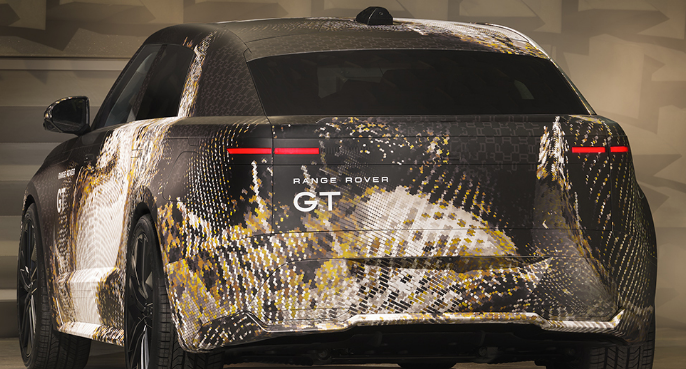
There has been natural skepticism regarding whether the Range Rover GT might cannibalize sales from the Velar or the Range Rover Sport. However, the segmentation is incredibly precise. The Range Rover Sport, particularly in its electric guise, remains focused on aggressive, visceral performance. The Velar continues to capture a younger demographic drawn to its specific contemporary design language. The Range Rover GT, conversely, is engineered purely for joyful, long-distance cruising. It is destined to be the most car-like driving experience in the brand’s history, appealing to a buyer who wants the aesthetic presence of a Range Rover with the on-road manners of a premium European touring sedan.
As JLR focuses heavy resources on the launches of the flagship Range Rover EV, the Range Rover Sport EV, and now the Range Rover GT, legacy models like the Evoque and Velar are being sustained through targeted market editions—such as the Hoxton and Belgravia variants—to maintain showroom freshness.
The 2026 Range Rover GT is more than just a new model; it is a masterclass in reading the room. By blending aerodynamic efficiency, sustainable interior minimalism, and a flexible powertrain architecture, JLR has created a vehicle uniquely suited for the modern luxury landscape. If you are currently evaluating your next premium vehicle, you cannot afford to overlook this paradigm shift in grand touring. Reach out to your local JLR dealership today to inquire about early reservation lists and upcoming test drive opportunities to experience this new era of electrified luxury for yourself.