
Navigating the Shift: Polestar Drops U.S. Appeal and Pivots to European Electric Vehicle Markets
The landscape for the luxury electric vehicle segment in North America has shifted dramatically. Following intense regulatory scrutiny under the U.S. Connected Vehicles Rule, Polestar has officially decided not to appeal the Department of Commerce’s decision to ban its U.S. vehicle sales starting with the 2027 model year. Rather than exhausting legal and financial capital on a uphill regulatory battle in Washington, the Swedish EV manufacturer is formally pivoting its long-term commercial strategy toward Europe and expanding regional markets where trade frameworks remain more stable.
For auto industry analysts, retail investors, and EV enthusiasts tracking the evolving electric vehicle market, this operational pivot marks a significant turning point in global automotive supply chain policy, cybersecurity governance, and foreign market protectionism.
The U.S. Sales Ban: How the Connected Vehicles Rule Changed the Game
The decision forcing Polestar out of the American market stems directly from the U.S. Department of Commerce’s enforcement of the Information and Communications Technology and Services (ICTS) Connected Vehicles Rule. Designed to mitigate national security risks linked to software systems, onboard telematics, optical sensors, and geolocation data handling, the rule imposes strict prohibitions on internet-connected cars operating with technology stack linkages to designated foreign entities, particularly China and Russia.
Polestar’s corporate structural architecture placed it directly in the path of these regulatory barriers. While operating under a distinctly Scandinavian identity with headquarters in Gothenburg, Sweden, Polestar’s ownership structure is anchored by Geely Auto—the Chinese automotive conglomerate holding a majority controlling stake.
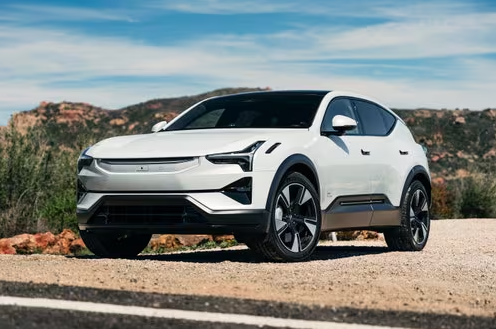
Despite operating local production facilities in Ridgeville, South Carolina for models like the Polestar 3, the deep integration of foreign software architectures and hardware control modules ultimately prevented the brand from securing federal sales authorizations. While corporate sibling Volvo Cars successfully obtained specific regulatory exemptions by demonstrating sufficient software separation and localized operational control, Polestar’s extensive cross-border development framework made similar dispensations legally unviable. Following extensive dialogues with federal compliance officials, Polestar management concluded that appealing the ban under the existing regulatory environment was an unachievable outcome.
Strategic Realignment: Prioritizing European Electric Vehicle Infrastructure
Giving up access to North American auto dealerships and metropolitan sales hubs is undeniably a major strategic concession. However, an analysis of global delivery metrics reveals that exiting the U.S. market is far from a fatal blow to Polestar’s corporate balance sheet.
During the first quarter, over 94 percent of Polestar’s global vehicle sales were generated outside the United States. Demand across Western Europe, Scandinavia, and select Asia-Pacific markets continues to represent the core driver of the company’s revenue stream.
┌─────────────────────────────────────────────────────────────────┐
│ GLOBAL POLESTAR SALES DISTRIBUTION │
├─────────────────────────────────────────────────────────────────┤
│ [█████████████████████████████████████████████████░░] 94% │
│ International Markets (Europe, Asia-Pacific, Nordic Region) │
│ │
│ [██░░░░░░░░░░░░░░░░░░░░░░░░░░░░░░░░░░░░░░░░░░░░░░░░░░] 6% │
│ United States Market Share │
└─────────────────────────────────────────────────────────────────┘
By reallocating operational expenditure and marketing budgets directly into European commercial expansion, Polestar can optimize its capital allocation in regions with strong regulatory support for electrification and expanding high-speed EV charging networks.
European Market Expansion Drivers
Regulatory Certainty: European Union climate mandates and fleet emission targets provide a predictable operational environment compared to shifting federal policies in North America.
Charging Infrastructure Integration: Rapid expansion of ultra-fast public charging corridors across Germany, the UK, the Netherlands, and France aligns perfectly with Polestar’s long-distance EV performance capabilities.
Brand Heritage & Recognition: The company benefits from deep consumer trust connected to Scandinavian engineering, premium interior craftsmanship, and shared legacy roots with Volvo across European urban hubs.
Optimized Logistics Chains: Shorter supply lines between European manufacturing sites, distribution centers, and end customers drastically reduce overhead costs associated with trans-Pacific shipping tariffs and geopolitical trade friction.
Impact on Existing U.S. Polestar Owners and Service Networks
A primary concern among current Polestar owners in major metropolitan areas—from Los Angeles and San Francisco to New York and Chicago—revolves around long-term vehicle ownership, routine maintenance, warranty coverage, and software support.
Official statements from corporate leadership confirm that existing owners and active lease agreements will experience no disruption in support. Federal regulations require automakers to maintain service, replacement components, and safety-related recall capabilities long after new vehicle retail sales cease.
POLESTAR U.S. TRANSITION PLAN
│
┌────────────────────────────────┴────────────────────────────────┐
▼ ▼
┌───────────────────────────────┐ ┌───────────────────────────────┐
│ NEW VEHICLE SALES │ │ EXISTING OWNER FLEET │
├───────────────────────────────┤ ├───────────────────────────────┤
│ • Ceases MY2027 vehicles │ │ • Warranties fully honored │
│ • End of US showroom delivery │ │ • Service via Volvo networks │
│ • US reallocation to Europe │ │ • OTA updates remain active │
└───────────────────────────────┘ └───────────────────────────────┘
Essential Protections for Current Owners
Warranty Honorability: All bumper-to-bumper and high-voltage battery warranties will remain fully valid throughout their contracted term limits.
Service and Repair Infrastructure: Authorized service centers, often integrated into certified local Volvo service networks, will continue offering routine maintenance, technical diagnostics, and replacement parts.
Software & OTA Updates: Over-the-air software updates handling infotainment enhancements, battery management system (BMS) optimizations, and safety system calibrations will remain active for active U.S. fleets.
Lease Returns & Resale Values: Finance partners handling existing lease contracts will continue standard end-of-term processing without default adjustments related to sales regulatory shifts.
Implications for Future Product Offerings: The Fate of the Polestar 6
The commercial withdrawal from the North American market carries inevitable casualties for performance auto enthusiasts. Among the most anticipated vehicles affected is the commercial rollout of the Polestar 6—an all-electric roadster designed on a bespoke bonded aluminum platform built to compete directly with high-end luxury sports cars.
┌────────────────────────────────────────────────────────────────────────┐
│ POLESTAR 6 ROADSTER SPECIFICATIONS │
├──────────────────────────────────┬─────────────────────────────────────┤
│ Architectural Platform │ Bespoke Bonded Aluminum │
├──────────────────────────────────┼─────────────────────────────────────┤
│ Powertrain Output │ Dual-Motor 884 HP / 663 lb-ft torque│
├──────────────────────────────────┼─────────────────────────────────────┤
│ Target Acceleration (0-60 mph) │ 3.1 Seconds │
├──────────────────────────────────┼─────────────────────────────────────┤
│ Voltage Architecture │ 800-Volt Fast-Charging System │
├──────────────────────────────────┼─────────────────────────────────────┤
│ U.S. Market Availability │ Cancelled (MY2027+ Regulatory Ban) │
└──────────────────────────────────┴─────────────────────────────────────┘
While the Polestar 6 will still see production for European, Asian, and UK distribution, North American enthusiasts seeking a flagship electric convertible will no longer have retail access through domestic showrooms. Additionally, vehicle models like the Polestar 4 SUV coupé will likely mark the final wave of consumer deliveries permitted under current regulatory frameworks prior to the MY2027 cutoff.
Broader Electric Vehicle Industry Trends: Trade Compliance & Cybersecurity
Polestar’s U.S. market exit illustrates the rising complexity of manufacturing connected software-defined vehicles in a global economy. As modern automobiles transition into sophisticated computing platforms equipped with high-resolution lidar, interior optical tracking, artificial intelligence algorithms, and continuous cloud telematics, national security considerations are increasingly dominating auto industry regulations.
Automotive manufacturers operating global business models must now navigate increasingly divergent regulatory landscapes:
United States: Increasing emphasis on domestic software development, supply chain decoupling, stringent import regulations, and protectionist tariff barriers designed to shield North American domestic manufacturing.
European Union: Targeted carbon-neutral mandates, comprehensive environmental reporting standards, strict GDPR data privacy compliance, and tailored tariffs focused on balancing fair market competition.
Asian Markets: Rapid technological iteration, competitive price points, and aggressive adoption of advanced autonomous driver-assistance systems (ADAS) and integrated digital cockpits.
Automakers that fail to maintain complete separation between foreign software architectures and domestic operating systems face significant regulatory penalties, market access revocations, or costly supply chain restructurings.
The Path Ahead for Luxury EV Buyers and Automotive Investors
The realignment of Polestar’s global market focus underscores the necessity for luxury car buyers, fleet operators, and auto industry investors to closely monitor regulatory policy alongside vehicle specifications.
For current Polestar owners in North America, existing vehicles remain fully supported with access to official service networks and software support. For European car buyers, Polestar’s consolidated focus promises accelerated delivery timelines, expanded retail footprints, and dedicated charging partnership investments across key metropolitan hubs.
As connected vehicle technologies, corporate trade policies, and zero-emission transportation goals continue to intersect, staying informed on industry regulations is essential. To explore more about electric vehicle technology, trade compliance shifts, and high-performance EV reviews, explore our latest automotive industry insights or schedule a consultation with our automotive fleet consulting specialists today.