
2026 Porsche 911 GT3 Cabriolet Review: The Ultimate Open-Top Track Weapon
For over twenty-five years, the release of a new Porsche 911 GT3 has followed a predictable, universally celebrated pattern. The baseline remains consistent: race-derived engineering, high-revving naturally aspirated flat-six power, and razor-sharp dynamic precision tailored strictly for enthusiasts. So when Weissach announced the unthinkable—cutting the roof off its iconic track hero to create an open-top variant—purists immediately questioned the underlying logic.
Shorn of its traditional fixed-roof structure, can an open-top GT model truly deliver the visceral feedback expected from Weissach? A trip to Stuttgart provides the definitive answer on whether a high-performance luxury convertible can retain authentic Motorsport DNA while redefining the open-air driving experience.
Evaluating the Open-Top GT Concept
The primary question facing any high-performance droptop is simple: is a convertible GT3 a fundamental contradiction? Broadly speaking, convertibles adapted from hardtop sports cars often introduce unwanted dynamic compromises. The structural reinforcement needed to replace a rigid roof adds non-essential curb weight. At the same time, loss of torsional rigidity can dull steering response, compromise suspension calibration, and degrade high-speed stability.
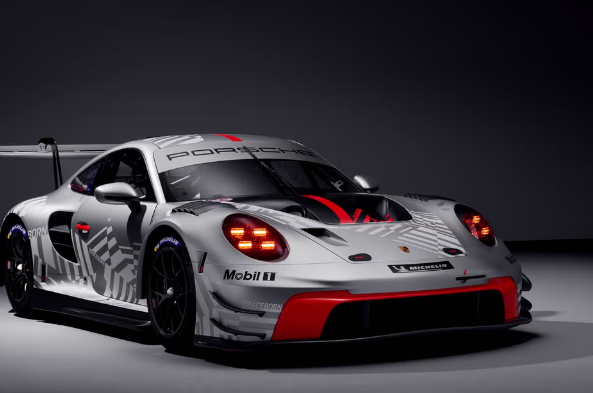
When pressed on these traditional trade-offs, Porsche GT Division director Andreas Preuninger dismissed the notion that removing the roof dilutes the vehicle’s core philosophy. Rather than building a boulevard cruiser, the GT product team set uncompromising engineering mandates from the outset: the vehicle had to weigh under 3,300 lbs fully fueled while retaining uncompromising chassis dynamics.
Engineering a Lightweight, High-Performance GT Roadster
To meet stringent weight targets without compromising structural integrity, Porsche engineers leveraged motorsport-derived materials throughout the chassis and bodywork.
Engine and Drivetrain: Under the rear deck sits the legendary 4.0-liter naturally aspirated flat-six engine delivering 502 horsepower and 346 lb-ft of torque, revving up to a screaming 9,000 RPM. Power flows exclusively through a six-speed GT sports manual transmission. No dual-clutch PDK option is offered, reinforcing its driver-centric focus.
Lightweight Materials: Engineers pulled carbon-fiber reinforced plastic (CFRP) components directly from the limited-run 911 S/T. The doors, front fenders, hood, rear anti-roll bar, and shear plate are all crafted from carbon fiber. Forged magnesium wheels and standard Porsche Ceramic Composite Brakes (PCCB) further reduce unsprung mass.
Chassis Rigidity: Utilizing a modified Carrera 4 shell to accommodate the double-wishbone front suspension, the platform achieves a torsional rigidity rating of 27,000 Nm/degree. This represents a 25 percent improvement over previous generation speedsters, matching the chassis stiffness of dedicated fixed-roof sports coupes.
Aerodynamics and Balance: Retaining underbody air diffusers and a subtle rear gurney flap, the body shell generates meaningful downforce at speed to suppress high-speed lift on open highways.
| Specification | Porsche 911 GT3 Open-Top / S/C | Porsche 911 GT3 Touring (Manual) |
|---|---|---|
| Engine Type | 4.0L Naturally Aspirated Flat-6 | 4.0L Naturally Aspirated Flat-6 |
| Horsepower | 502 hp @ 8,400 RPM | 502 hp @ 8,400 RPM |
| Transmission | 6-Speed Manual Only | 6-Speed Manual / 7-Speed PDK |
| Curb Weight | 3,298 lbs (1,497 kg) | 3,220 lbs (1,460 kg) |
| 0-60 mph Time | 3.7 seconds | 3.7 seconds |
| Top Track Speed | 194 mph | 197 mph |
Behind the Wheel: Driving Dynamics and Feedback
Stepping into the lightweight carbon-fiber bucket seats reveals a focused, driver-centric cabin. Every control surface—from the alcantara-wrapped steering wheel to the short-throw manual shifter—is weighted for ultra-precise inputs.
On challenging back roads south of Stuttgart, the car demonstrates immediate, unfiltered communication. Unlike standard luxury sports cars tuned for compliant cruising, this chassis demands absolute alertness from the driver. The steering rack is hyper-reactive, registering every millimeter of road texture and minor pavement cambers.
The double-wishbone front suspension eliminates bump steer, keeping the front contact patch firmly planted under hard cornering loads. When driven at seven-tenths pace, the setup feels tight and energetic. Push past eight-tenths toward the 9,000 RPM redline, however, and the mechanical components sync seamlessly into continuous balance.
Shedding the roof intensifies the auditory profile of the 4.0-liter engine. The intake roar behind the driver’s head creates an immersive acoustic feedback loop impossible to replicate in a fully enclosed cabin.
Ownership Considerations: Value, Insurance, and Auto Financing
For prospective buyers navigating exotic vehicle acquisitions, securing an allocation for specialized GT models requires strategic planning. Given their limited production runs and strong value retention, high-end sports cars of this caliber represent unique financial assets.
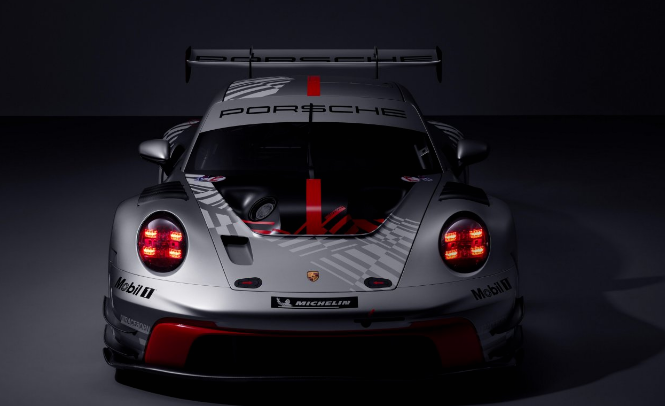
Exotic Car Financing and Leasing: Financing a high-value exotic vehicle typically involves specialized lenders offering custom balloon options or high-end luxury auto leases. Securing competitive auto loan rates ensures optimal capital allocation when adding high-value sports cars to a collection.
Specialized Auto Insurance: Standard auto insurance policies rarely cover the true market value or track-use risk profiles of limited-edition GT models. Securing agreed-value collector car insurance is critical to protecting investment capital against market volatility and physical damage.
Resale Value Profile: Mechanically pure sports cars featuring naturally aspirated engines and manual gearboxes consistently outperform the broader luxury vehicle market regarding depreciation, retaining exceptional residual value over long-term ownership horizons.
The Verdict: Is Weissach’s Open-Top Experiment a Success?
By blending lightweight motorsport hardware with an open-cockpit driving environment, Porsche has created a deeply compelling machine that honors the GT badge. It does not trade dynamic accuracy for open-air styling; instead, it amplifies the mechanical sensory feedback that makes naturally aspirated sports cars so intoxicating.
If you are evaluating exotic car investments, considering exotic car financing options, or looking to acquire a world-class high-performance vehicle, this open-top GT model offers an unmatched combination of track-derived engineering and open-air thrill. Contact your local authorized Porsche dealer or luxury automotive specialist today to inquire about build allocations and private preview opportunities.