
Most people make that purchase once or twice in their lives, using money they worked years to earn, so thorough research is a necessity. Traditionally minded buyers often favor the detached house, while the modern condominium is widely seen as the best match for today’s urban lifestyle. In either case, the choice should balance three considerations: lifestyle priorities, financial goals, and long-term convenience.
Buyers who compare the apartment with its two chief rivals, the standalone single-family house and the luxury villa, keep returning to the same six advantages: a lower price, shared costs, built-in amenities, solid security, centralized management, and a central address.
Start with the question of location. Land in the heart of a metropolitan area is scarce and very costly, which pushes independent houses and villas out to the suburban edge. Apartments, by contrast, are built at strategic points across the city. That puts residents near major employment hubs, top-tier schools, healthcare facilities, and busy commercial districts. A shorter commute also gives families more quality time together.
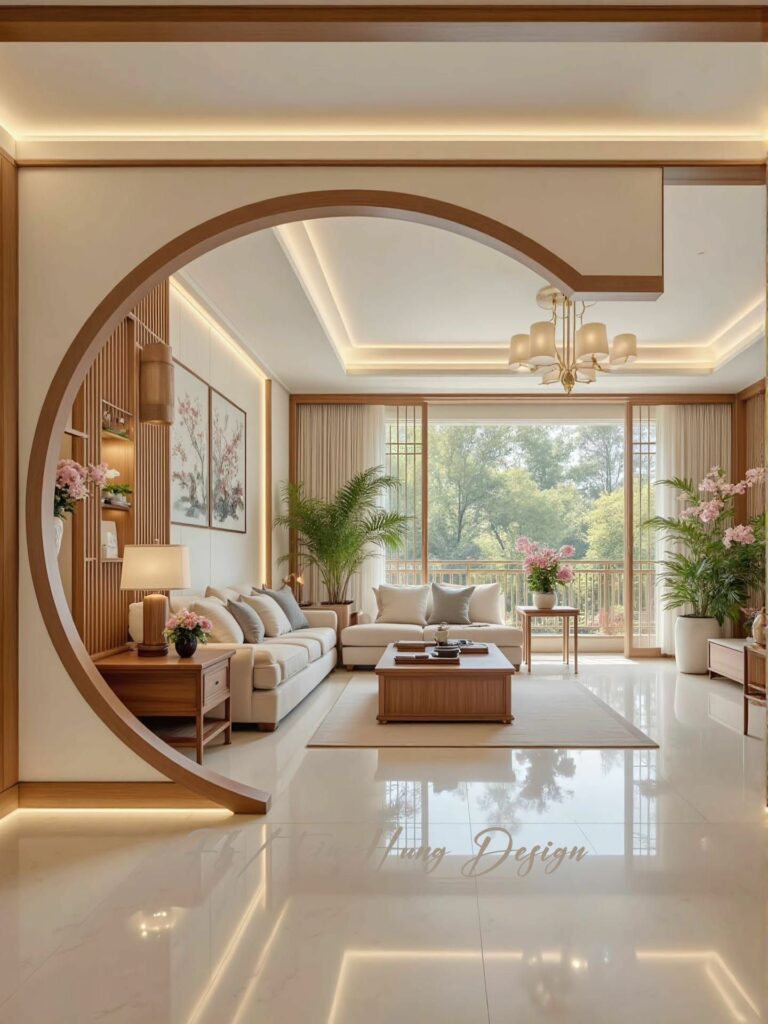
Next comes cost. A high-end luxury apartment typically sells for as much as one-third less than a villa or independent house in a comparable area. Homeownership therefore no longer calls for a stretched budget or depleted savings. The advantage carries on after closing, since residents split the running expenses. A homeowners association or management committee divides the bills for maintenance, exterior upkeep, and infrastructure repairs evenly among everyone. With the burden pooled this way, the model works for first-time buyers and seasoned investors alike.
Now picture what lies just outside the front door. Reproducing an apartment complex’s lifestyle around a detached house would cost enormous sums. Imagine a private swimming pool, a fully equipped fitness center, indoor game rooms, landscaped play areas for children, badminton courts, and a private security system, all on one plot of land. Almost any budget would buckle under that wish list. In an apartment community, those features come with the purchase, and places to exercise and unwind are only steps from home.
Children benefit from this setup as well. Kids their own age live nearby, and friendships form easily in such a lively environment. Parents get to know their neighbors, build a dependable support network, and take part in community events. The sense of belonging that results makes a housing complex feel like a warm, welcoming neighborhood.
Security sits at or near the top of nearly every owner’s list of priorities. Modern apartment buildings respond with layered protection that never switches off: gated entryways, CCTV surveillance, intercom systems, and professional security personnel working in concert. Professionals who travel often for business, and families who leave for long vacations, get complete peace of mind. The property remains secured and monitored around the clock, which sidesteps the weak points of an empty standalone house.
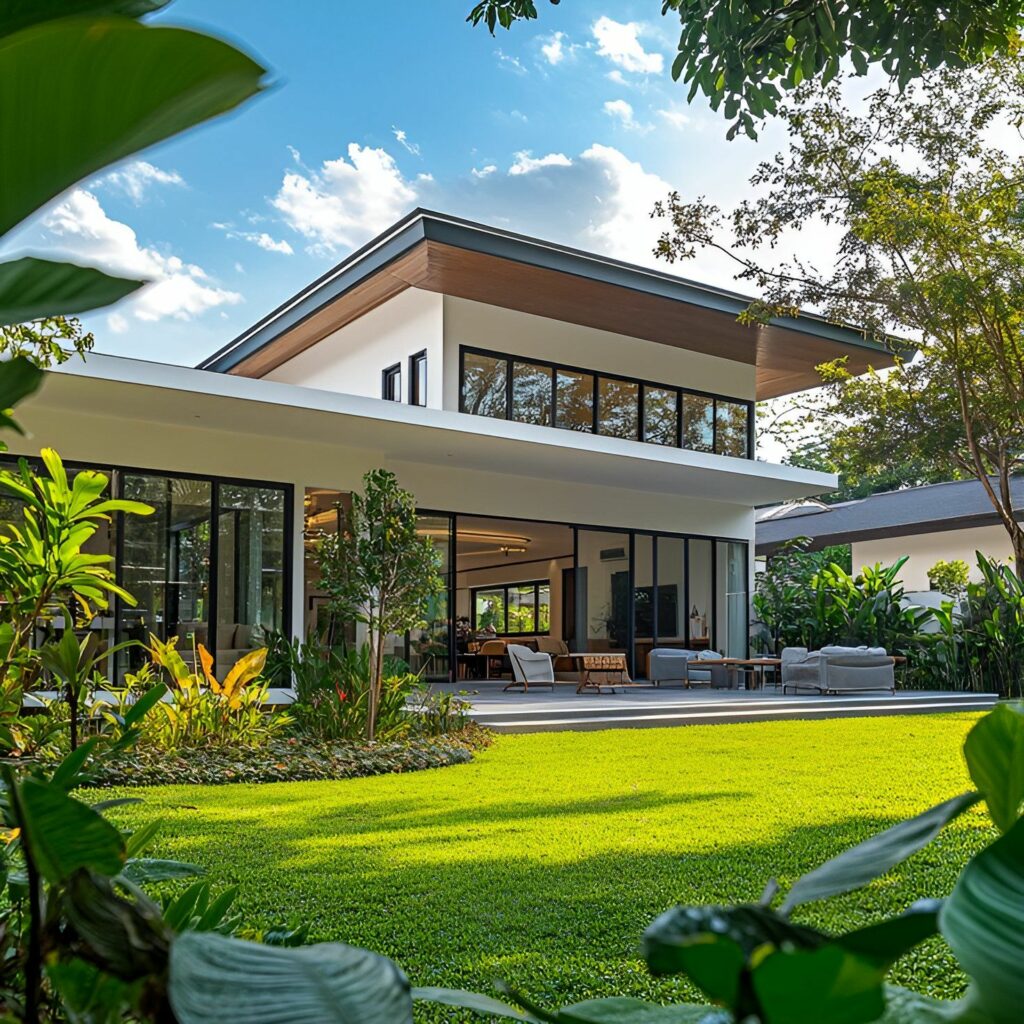
Daily management is lighter too. Common utility billing, backup power generators, alternative water supply systems, reticulated gas pipelines, and advanced fire safety mechanisms are all handled centrally by professional caretakers. Residents never have to wait on independent contractors or stand in line at government utility offices. Dedicated staff also maintain the manicured lawns, Immaculate gardens, and pristine common corridors, so residents enjoy handsome surroundings with zero effort.
Even so, finding the right property takes expert guidance, so that the home a buyer secures fits both lifestyle needs and financial aspirations. The goal could be a cozy starter home or a lucrative investment. Either way, browsing available apartment listings now can set a buyer on the path toward long-term financial security, and real estate specialists can help identify exclusive apartment opportunities tailored to each buyer’s goals.
To sum up, the apartment offers a lower price, shared costs, built-in amenities, strong security, centralized management, and a central location. A detached house would have to match every one of those points to compete, and that is the yardstick buyers now use when weighing their options. Which home fits best still depends on lifestyle, finances, and long-term convenience.
If this breakdown was useful, hit the subscribe button so the next video lands in your feed. A quick like helps other viewers find it, and turning on the notification bell keeps you up to date on the latest news the moment it breaks.”