
Ten years inside the housing market, one industry veteran says, taught him something that has nothing to do with bricks, drywall, or shingles.
His conclusion is that buying a home is, above all, a strategic money decision. As cities grow and daily routines evolve, he argues, the apartment has become a front-runner for buyers who want financial freedom and room to live flexibly.
He builds his case on several points, and the first is the long-term outlook. Real estate has historically protected owners against rising prices, and well-run apartment buildings in high-demand metropolitan zones carry strong potential for capital appreciation. As local infrastructure Improves and cities grow denser, values tend to climb at a steady pace. That supports a healthy return on investment if the owner sells down the line. Urban apartments also keep their resale value remarkably well when the wider economy turns, which gives an investment portfolio a dependable anchor.
Income is the second point. An owner who wants a secondary revenue stream will find considerable passive income potential in an apartment. Renters, corporate tenants, and digital nomads looking for turnkey city living keep demand for well-located urban units constant. Hire a professional property management service, the veteran says, and the unit becomes a reliable, cash-flowing asset. It produces monthly rental revenue while its underlying market value keeps appreciating.
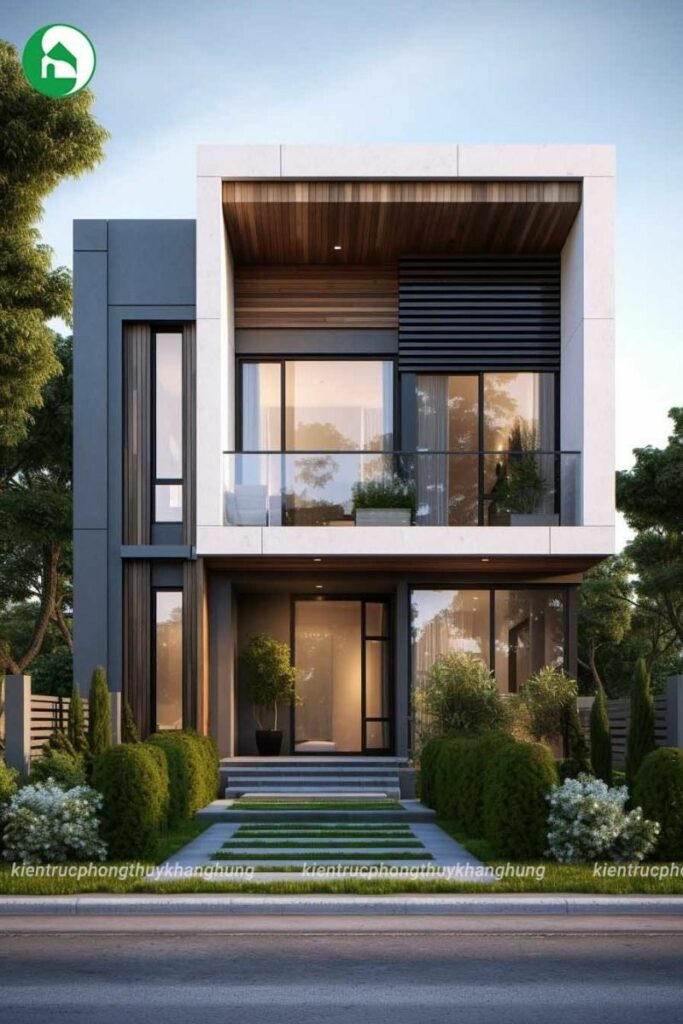
Then comes the cost of getting started, which is where most prospective owners begin their thinking. Apartments generally require much less cash at closing than standalone single-family houses. That lower bar opens ownership to first-time buyers, who face steep housing hurdles. A condo or apartment unit means a smaller down payment, manageable monthly mortgage insurance, and realistic home loan refinancing options later. Combined, these features let a buyer keep cash on hand while equity builds.
Location, the most Important driver of property value, is another area where apartments tend to lead. Urban units usually stand in busy city centers or in developments organized around transit. Major commercial hubs, public transit systems, and corporate offices sit nearby, so commute times fall sharply and more hours free up for work or family. Top-tier restaurants, shopping districts, and entertainment venues are often right next door. Residents get a better daily routine without long stretches behind the wheel.
Maintenance marks the sharpest divide between apartments and houses. A house can generate an endless weekend to-do list, from clearing gutters to fixing the roof. Apartment residents avoid exterior upkeep altogether. Most residential complexes employ dedicated property management and maintenance teams. Those crews take care of everything from landscaping in common areas to emergency plumbing repairs. For busy corporate professionals, digital nomads, and retirees, this arrangement removes surprise repair bills and hands weekends back to leisure.
Safety, the veteran says, is a baseline demand for modern households, and managed apartment communities are well placed to deliver it. They typically offer comprehensive security: controlled electronic access gates, onsite personnel around the clock, and closed-circuit surveillance systems. The payoff goes beyond physical protection. These buildings also nurture a lively sense of community, because shared amenities such as rooftop lounges, co-working spaces, and fitness centers bring residents together naturally. The result is a dependable social network, particularly welcoming to newcomers and to people who live alone.
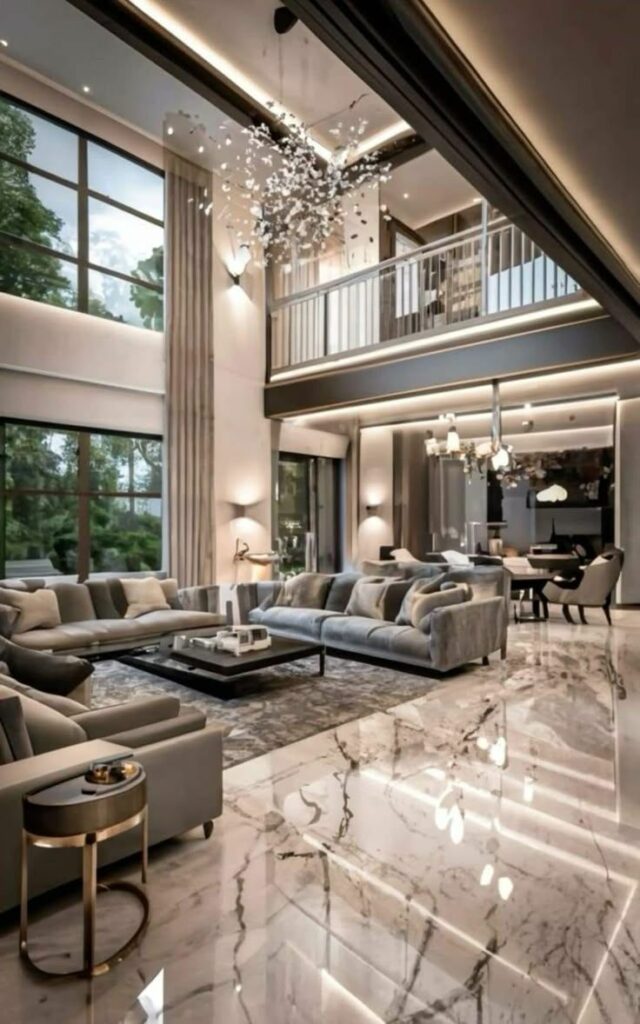
Apartments also match different stages of life. A dynamic young entrepreneur, a minimalist couple, or a retiree downsizing can each find floor plans with unmatched spatial efficiency. Contemporary developments put lifestyle perks steps from the front door, including state-of-the-art gymnasiums, swimming pools, and landscaped courtyards. Owners get these amenities without bearing the staggering private upkeep costs that come with standalone estates.
Environmental awareness is also changing the housing landscape. Forward-thinking developers now build residential apartments to strict energy efficiency standards, using high-performance insulation, smart thermostats, and renewable energy sources. Because residents share infrastructure, one person’s carbon footprint is smaller than that of someone in a sprawling suburban house. Picking an apartment aligns a household with global sustainability goals, and it also brings lower utility bills.
Taken together, the veteran says, financial growth, operational convenience, and lifestyle comfort suited to a fast-paced world meet in this single investment. From affordability to passive income potential, the apartment offers a resilient answer to the complexities of the modern real estate market. Whether that package fits the future a buyer has in mind is a decision each prospective buyer has to make personally.
If reporting like this helps you, tap subscribe so the next story finds you right away. Give the video a like if it earned your time, and turn on the notification bell so the latest news reaches you the moment it goes live.”