
A house or an apartment is the largest purchase most people will ever make, and many buyers make it only once or twice in their lives.
A decision of that size deserves a hard look at every dollar. In 2026, the options run from suburban villas and duplexes to high-rise condominiums and gated communities. Tradition still points toward the detached single-family house, yet the current market suggests that many buyers would come out ahead in an apartment, in both their finances and their daily routines. Before signing anything, buyers should talk with mortgage advisors, study market trends, and weigh the long-term consequences carefully.
The argument comes down to five factors: security, upkeep, price, location, and amenities.
Start with price. Apartments consistently cost less than detached houses and villas. Even luxury high-rise units often sell for a fraction of what comparable suburban homes command. That lower outlay still buys full ownership of a private residence, and it leaves capital free for diversified investments, stock market assets, or an emergency savings cushion.
Location is next. Land is scarce and suburban land values are high, so independent homes and luxury villas keep drifting toward the edges of cities. Apartments sit in prime urban cores and transit-oriented corridors. A corporate office, the major financial districts, top-tier schools, healthcare facilities, and cultural hubs all lie within minutes of the front door. Shorter commutes give residents time back, cut transportation costs, and raise overall quality of life.
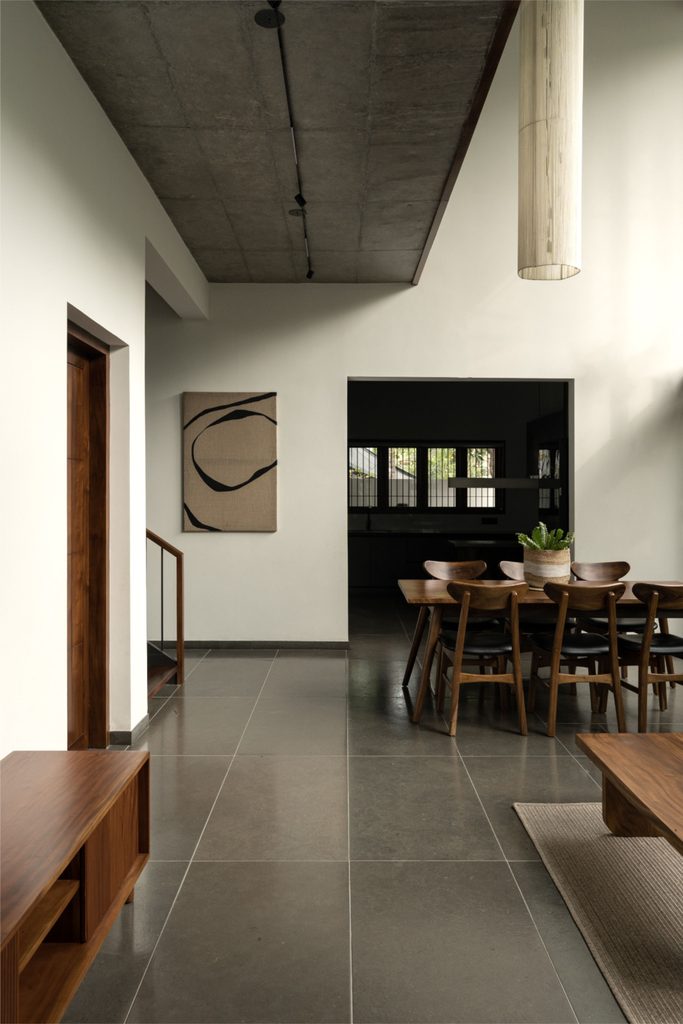
Upkeep is where apartments open their widest gap. Picture a leaking roof, failed plumbing, or a dead HVAC system. A house owner must find dependable contractors, negotiate quotes, and oversee the repair in person. In an apartment building, that burden belongs to the building management or the resident welfare committee. Common areas, manicured lawns, gardens, elevators, and exterior facades receive professional attention all year, and residents lift no finger. They enjoy the lush grounds while a specialized crew maintains them behind the scenes.
Amenities are what a complex supplies at a cost that would be enormous on a private lot. They include fitness centers and gymnasiums, temperature-controlled swimming pools, indoor gaming lounges and clubhouses, dedicated children’s play parks, multi-sport courts and wellness zones, and landscaped barbeque pits and community rooftop terraces. Building, maintaining, and insuring all of that on your own land would drain your savings. When a community of homeowners shares the bill, the same costs become manageable.
Security is part of the structure itself. Condominiums layer several systems that run around the clock: biometric access gates, high-definition CCTV monitoring, and professional guards patrolling the premises 24/7. Frequent travelers and professionals whose work keeps them away from home benefit most. Their property sits inside a secure perimeter instead of standing exposed in an isolated suburban location.
Everyday infrastructure is covered too. Modern buildings provide designated secure parking, reliable diesel power backups, redundant water supply reserves, reticulated piped gas, and comprehensive fire safety mechanisms. Utilities are simpler to manage as well. Residents avoid long queues at municipal offices and the nuisance of fragmented billing, because digital resident portals and property management apps let them pay utility charges with a few taps on a smartphone.

Flexibility adds one more advantage. Apartments come in a wide range of floor plans and square footages, so a family can choose a layout that suits both its present and future needs. Standards vary with architectural design, interior finishes, premium fittings, and lifestyle amenities. The setting works especially well for young professionals and growing families. Children grow up alongside peers of similar ages, often just down the hall, and that closeness encourages socializing and lasting friendships. Parents, meanwhile, frequently build strong social circles and professional networking connections with other residents in the building.
Taken together, the operational, financial, and lifestyle factors point to a single conclusion: buying an apartment is the strongest strategy for modern property acquisition. Price, amenities, location, safety, and low maintenance each support it, and together they protect a buyer’s budget while raising the standard of living.
So before making the biggest purchase of your life, consider whether a home that costs less, demands less work, and sits closer to everything you need might serve you better. Security, upkeep, price, location, and amenities are the yardstick for measuring any listing.
If this breakdown helped, tap subscribe so the next video shows up in your feed as soon as it is released. Give the video a like, and turn on the notification bell so you catch the latest updates the moment they go live. And if you are ready to make a move on the market, contact our team of property experts today to schedule a private consultation and take the first step toward your new home.”