
A buyer can repaint the walls, gut the kitchen, or strip a floor down to the studs.
Nothing can be done about the ground the house sits on. That single, fixed point determines how comfortable daily life feels, what monthly living costs look like, and how much value a property accumulates over the years, all at the same time.
A decade of work as a real estate advisor and property strategist has shown me this lesson again and again, buyer after buyer. Picking a location takes more than falling for a pretty street. The factors below are the main ones in modern location scouting, adjusted for current market conditions and lifestyle trends, so that your next purchase rewards you.
Begin with the commute, where the old rule has stopped applying. For decades, the standard advice was to put as little distance as possible between your driveway and your corporate office. Hybrid work has changed that, blending remote days with flexible urban transit, so mileage by itself no longer settles anything. Efficiency does. Calculate peak-hour travel times for the modes that suit your routine, whether that means driving along major interstate corridors, taking commuter rail, or biking on protected cycling infrastructure. A home close to a transit hub or a highway off-ramp recovers valuable hours every week, and it also acts as a primary catalyst for real estate stability. A shorter, more manageable routine lowers chronic stress and gives time back to health, family, and personal growth. During home tours, test the trip at genuine rush hour rather than relying on mid-day estimates.
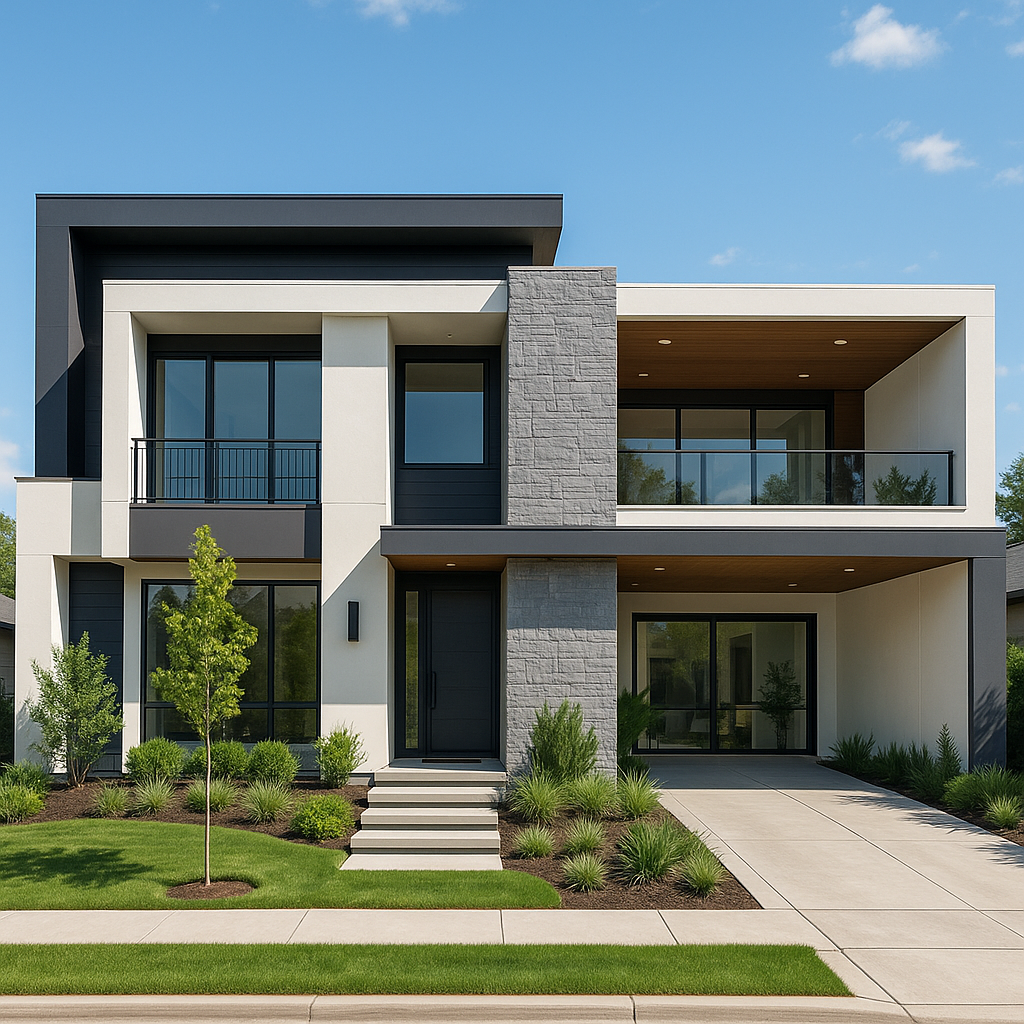
Next, look at what surrounds the property, because no home exists in isolation. The livability of an Immediate area depends heavily on its infrastructure and everyday conveniences, so take stock of the commercial and civic ecosystem within a comfortable radius. Essentials come first: high-end grocery stores, specialty markets, and pharmacies keep weekly errands frictionless. Food and culture follow, since a thriving local culinary scene, independent coffee shops, and community gathering spaces add vibrancy to weekend routines. Healthcare access belongs on the list as well. Top-tier medical centers, urgent care clinics, and specialized pediatric or geriatric facilities close by form a non-negotiable safety net for any household. Modern fitness facilities, public libraries, and community parks enrich daily life further. When an area ties these services together, residents gain a profound sense of convenience and local belonging.
Schools deserve separate and careful attention. Whether children are already in the picture or a family is planned for later, the quality of the local school district should rank near the top of your priorities. Educational infrastructure is among the most resilient shields against market downturns, since homes within top-tier public school zones consistently hold their value and recover faster from economic shifts. Research the ratings of public and private institutions, academic performance metrics, and extracurricular offerings. Just as Important, map the daily logistics of getting children to and from campus. Living near reputable schools smooths out chaotic mornings and lets kids take full part in after-school athletics or arts programs without grueling driving schedules. Even when education is not an Immediate personal need, buying into a strong district protects the investment, because future buyers will always pay a massive premium for those boundaries.
Time adds another dimension. Smart acquisition means looking beyond what a neighborhood is today and picturing where it will stand in five, ten, or fifteen years. Municipal master plans, zoning laws, and upcoming civic projects are essential reading for anyone judging future appreciation. New infrastructure investments, including light rail expansions, commercial retail hubs, and public parks, can dramatically lift a district’s appeal and financial value. The opposite can happen too. Unmonitored changes to industrial zoning, or high-density commercial encroachment, can bring noise pollution, traffic congestion, and diminished privacy. Records from the local planning board help you distinguish short-term construction headaches from long-term economic gains, so your capital ends up in an appreciating growth corridor.
Resale potential also belongs in the analysis. Even a buyer planning to stay forever must accept that life is inherently unpredictable. Job relocations, growing families, and shifting financial goals can each rewrite the plan, so tracking the future resale market is a matter of prudent financial stewardship. Examine historical property appreciation rates, the average days on market for the zip code, and overall buyer demand across various property types. Locations with robust, diverse economic drivers, such as proximity to tech corridors, universities, or expanding healthcare networks, tend to weather broader market corrections far better than single-industry towns. A property with strong fundamental liquidity serves as a vital financial safety net and gives you the freedom to pivot whenever circumstances change.

Finally, consider the one quality no spreadsheet can quantify: the character of the neighborhood. Statistics can describe a zip code, but they cannot capture the intangible soul of a place. The only way to learn it is to show up. Give up a Saturday morning, hike the local trails, sit down in a neighborhood café, and wander through a weekend farmers market. Observe how neighbors treat one another, how well public spaces are maintained, and whether community events feel inclusive and welcoming. Then start conversations. Residents and business owners will usually offer candid opinions on how responsive city government is, how safe the area feels, and what peculiarities define the neighborhood, details that no online listing will ever reveal. When your own values match the local culture, home feels like home from day one.
All of these measurements must ultimately arrive at one personal conclusion: the location has to feel right for you. Audit your core lifestyle priorities, whether they lean toward quiet suburban tranquility, walkable urban energy, or expansive natural surroundings. Choosing a location means balancing analytical market research against emotional intuition. By methodically weighing your commute, community amenities, educational infrastructure, future developments, and resale dynamics, you build the foundation for an intelligent investment and a deeply fulfilling life.
Once a purchase closes, the coordinates of your home are permanent. The commute, the amenities, the schools, the development plans, the resale outlook, and the feel of the community all merit careful weighing beforehand, with research and instinct pointing in the same direction. Keep that in mind before you sign anything.
If this breakdown helped you think through your next move, tap subscribe so you never miss a future video. Hit the like button to let us know it was useful, and switch on the notification bell so the latest updates reach you the moment they go live.”