
Detached houses are appreciating at record speed, and vacancy rates nationwide are close to historic lows. Over the past several years, the price gap between houses and multi-residential units has kept widening. In response, a growing number of well-informed buyers have given up the traditional backyard. They regard the apartment as the more durable, financially sensible, and lifestyle-driven way into the market.
That view comes from a decade of frontline work in property development and real estate advisory, a career spent following the structural shift toward high-density living and master-planned precincts. Whether a buyer wants a high-yield asset or a low-maintenance urban retreat, the conclusion is the same: an apartment outperforms both a traditional house and a vacant block of land. Six advantages support that claim.
The first is location, which remains the undisputed king of real estate value. Houses and land parcels continue to drift toward the suburban fringes, far from job centers, cultural precincts, and vital infrastructure. New apartment projects go in the opposite direction. They are built in the heart of high-demand metropolitan zones, in cities such as Melbourne, Sydney, and Brisbane. Residents of a master-planned precinct live steps from public transport networks, corporate headquarters, top-tier educational institutions, and lifestyle amenities. That proximity gives hours back to the day and ends the grueling daily commute. Urban professionals and modern families alike enjoy a better quality of life when less time goes to transit. On this reading, high-density urban living is the ultimate expression of modern convenience.
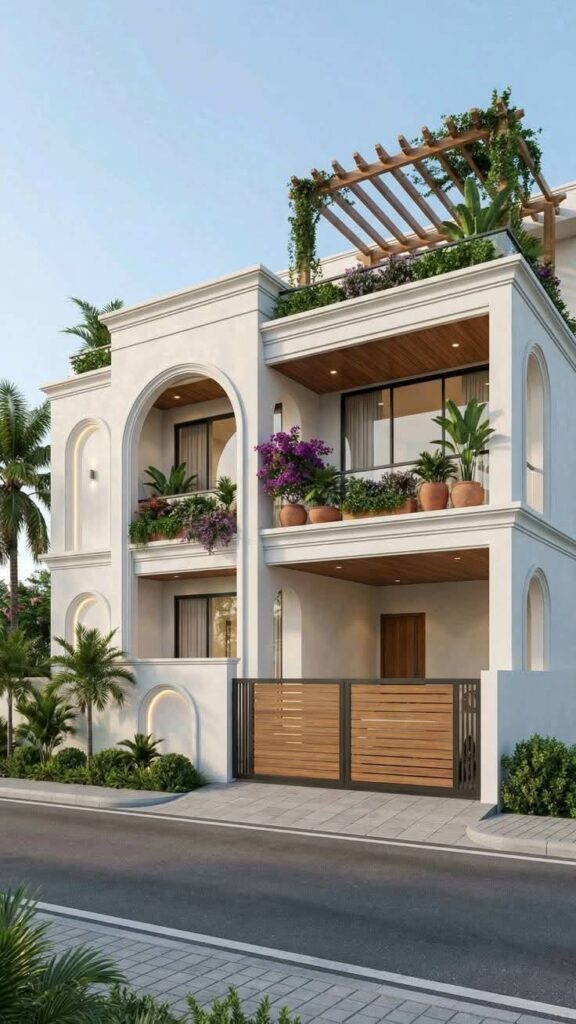
The second is price. For most buyers, the capital required up front is the biggest obstacle, and the split between detached dwellings and multi-residential units has rewritten the economics of buying. In major metropolitan hubs, house values have surged exponentially, which often shuts out first-time buyers and everyday investors. Unit values have followed a far more sustainable path, which helps both investment returns and entry-level accessibility. An apartment demands considerably less initial capital, so money stays available for other wealth-building vehicles. Carrying costs are significantly lower too. Property taxes, building insurance premiums, and routine maintenance outlays are divided among every member of the body corporate or owners corporation. Owners can stretch their cash flow further and still participate in prime capital growth corridors.
The third is amenities. An apartment is no longer just a place to sleep. Premier residential developments now compete with five-star hotels, packing in shared facilities designed to elevate daily life. Developers build lifestyle infrastructure into the residential experience itself, creating spaces that no single-family homeowner could afford to maintain alone. Modern apartment towers frequently offer fully equipped fitness centers, yoga studios, and indoor lap pools. Residents may also use private dining rooms, wine cellars, and lounges, along with dedicated co-working spaces and business meeting rooms. Wellness areas include saunas, steam rooms, and spa facilities, while entertainment precincts add private cinemas, golf simulators, and rooftop gardens. Together, these facilities work as an extension of the private home. Exercise, recreation, and socializing all take place just beyond the front door. Ground-level retail laneways with artisan cafes, restaurants, and boutiques complete a self-sustaining ecosystem that enriches the entire fabric of the community.
The fourth is maintenance. Apartment owners are spared the weekend chores that come with keeping up a property. Traditional homeowners spend countless hours and substantial sums on roof repairs, gutter cleaning, lawn mowing, and exterior painting. In a managed apartment precinct, the building management and the owners corporation take care of all routine upkeep, landscaping, and structural repairs. A dedicated building management team keeps common areas, facades, and infrastructure in pristine condition year-round. Funding comes through a sinking fund, in which small, predictable periodic contributions shield owners from unexpected, budget-breaking repair bills. Preventive maintenance of this kind preserves the structural integrity and long-term aesthetic appeal of the asset, safeguarding the investment for decades to come.
The fifth is community. Modern urban isolation is a growing societal challenge, and traditional suburban developments often encourage insular living, with neighbors who rarely interact. Apartment complexes tend to build a vibrant, connected community through their very design. Elegant lobbies, landscaped courtyards, and communal barbecue terraces become organic hubs for social interaction. A casual chat over morning coffee counts, and so does joining organized community events such as book clubs and fitness classes. Either route makes it remarkably easy to forge meaningful connections. The diverse demographic mix of vertical communities also puts residents in contact with a rich tapestry of cultural backgrounds, fostering an inclusive environment of mutual respect and camaraderie.
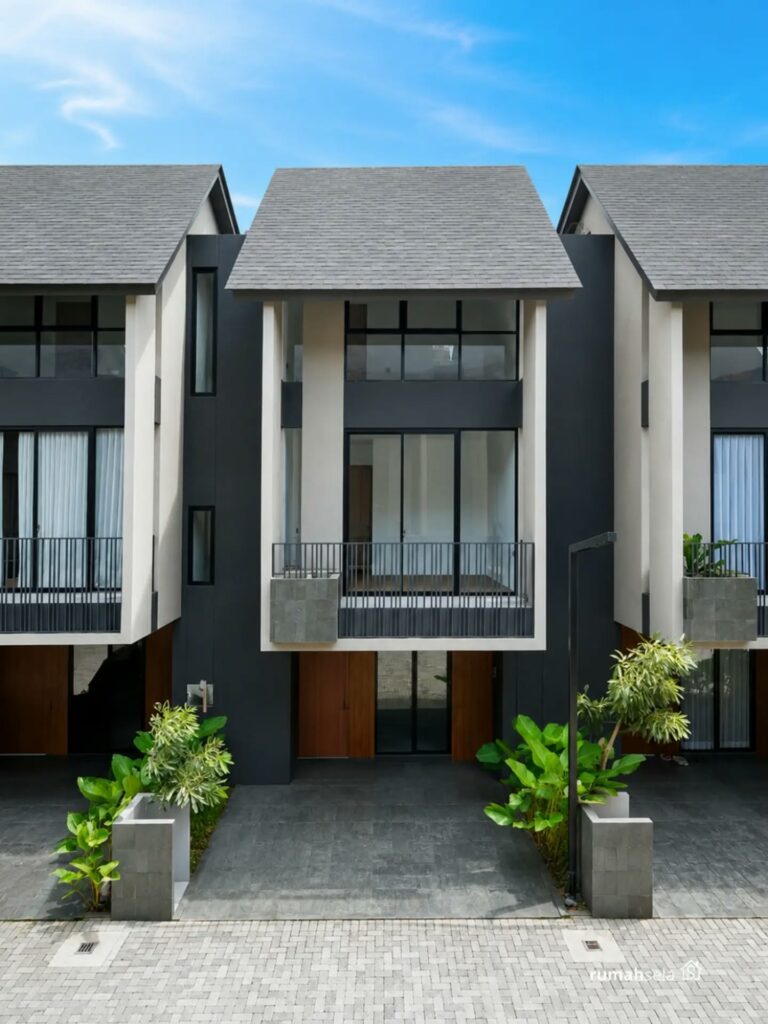
Security completes the list, and homeowners who put safety first treat it as non-negotiable. Standalone houses often need expensive, piecemeal security installations before they offer even basic peace of mind. Apartment complexes, by contrast, are engineered from the ground up with multi-layered, institutional-grade security protocols. Controlled access points, secure basement parking, comprehensive CCTV surveillance networks, and intercom systems keep out anyone not authorized to enter the premises. Many premium developments add onsite management or concierge services. Those services provide active oversight, which guarantees a safe, secure environment for residents and their families.
Taken together, the figures, the lifestyle benefits, the lighter maintenance burden, and the strategic positioning of urban apartments make the choice clear. Deciding where to place hard-earned capital ranks among the most critical decisions a person will make. Whether a buyer is scaling down, entering the market for the first time, or expanding an investment portfolio, an apartment is a future-proof strategy for sustainable wealth creation. Anyone ready to explore high-performing property opportunities and experience the pinnacle of modern urban living can contact the expert advisory team today and take the next confident step in real estate.
Lower entry costs, central locations, resort-style amenities, hands-off maintenance, built-in community, and institutional-grade security all point the same way, which is why the apartment emerges as the stronger route to property ownership. The housing market keeps moving, and the choice between a backyard and a city address may shape a buyer’s finances for years.
If this breakdown helped you think through your options, hit the subscribe button so the next video lands in your feed. Tap like to let us know it was worth your time, and turn on the notification bell so you catch the latest news the moment it goes live.”