



Picture two front doors.
Behind one is a sprawling, independent villa. Behind the other is a sleek, modern condominium. After ten years of steering families, working professionals, and high-net-worth investors toward the right property, I can tell you this is the crossroads buyers reach more often than any other. Few purchases touch a household’s daily routine, finances, and future resale value as deeply. The decision does more than settle where you sleep at night. It sets the pace of your days, shapes your long-term holdings, and influences how much your asset appreciates over the years.
Every buyer in this market has to balance emotional preferences against hard financial numbers. That is true whether you are chasing luxury investment property, rental units with strong yields, or a quiet refuge for your family. In each case, you need to understand exactly how a villa differs from an apartment. What follows draws on a decade of hands-on industry work and divides the choice into four parts: location, budget, amenities, and space. The aim is a decision you can stand behind, one that fits your lifestyle and holds up over time.
Begin with location, still the golden rule of real estate valuation. Where a property sits determines your commute, your children’s schools, the safety of the neighborhood, and how much the capital value grows. In the villa-versus-apartment comparison, location tends to sort the two property types into separate geographic zones.
Villas require large parcels of land, which makes them economically unworkable in dense downtown cores. Luxury villa communities therefore tend to appear in quiet suburban outskirts or in developing corridors on a city’s edge. Those areas bring tranquility, clean air, and wide green surroundings. They also tend to mean longer daily trips to central business districts, financial hubs, and major airports. Roads are generally wider and community layouts roomier, but the price of that openness is extra travel time.
Apartments, by contrast, are engineered for the urban core. Since they use vertical space so efficiently, developers can raise high-rises in prime downtown locations. Residents can walk to corporate offices, metro stations, elite schools, fine dining, and entertainment venues. Commutes shrink, and the city’s infrastructure sits at the front door. For busy professionals, and for investors chasing high rental yields, that placement is an unmatched asset.
Money is the second factor. Buying property is a major financial milestone, and a sound strategy looks well beyond the sticker price. It accounts for the down payment, the mortgage structure, ongoing upkeep, and what the property will fetch when you eventually sell.
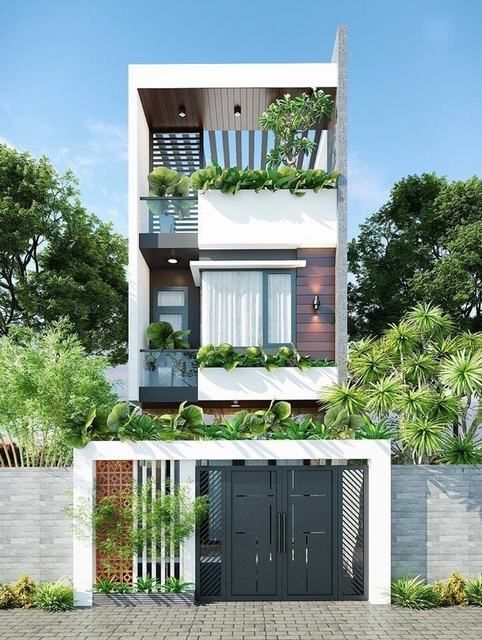
A villa demands a substantial capital outlay. The buyer pays for the building and for the land beneath it, so the upfront price runs naturally higher. The owner also funds all upkeep alone. If the roof leaks or the exterior walls need repainting, the bill lands squarely on you. Set against that burden is a historical pattern: land has appreciated faster than the structures built on it. For that reason, villas often generate large capital gains over the long run.
An apartment offers an easier way into the market. Complexes operate on a shared-cost model, so major expenses such as exterior painting, roof repairs, security staffing, and common-area upkeep are split among all residents. Each household pays its portion through monthly HOA or maintenance fees. The result is a predictable budget, which makes apartments especially appealing to first-time buyers. It also suits investors who want to diversify their real estate holdings without tying up too much liquidity.
Amenities come third, because they shape the quality of daily life and determine which maintenance duties come with the property. The villa-versus-apartment debate often boils down to a simple preference: exclusive private luxury, or shared facilities with a resort feel.
A villa owner holds every amenity alone. The private swimming pool, the landscaped garden, and the dedicated driveway for parking belong to a single household, with no booking schedules and no shared rules. The catch is responsibility. Maintaining a pool, managing the landscaping, and servicing an independent security system all take either the owner’s own time or regular payments to contractors.
Apartments flip that equation by spreading luxury across an entire community. Modern gated developments offer Olympic-sized swimming pools, fully equipped fitness centers, clubhouses, tennis courts, and 24/7 security, and residents never handle the upkeep themselves. They use these facilities whenever they like, while a professional property management team deals with the demanding maintenance out of sight. Shared spaces also tend to foster a lively community atmosphere, which makes it easier to form friendships with neighbors.
Space is the fourth factor, and the foundation of any purchase. A villa and an apartment are two entirely different architectural types, each built for its own way of living.

Villas suit people who prize privacy, independence, and room to breathe. They typically feature expansive interior floor plans, multiple stories, private yards, and terraces, and they give owners total architectural freedom. Over the years, I have watched clients transform villa backyards into private organic gardens, custom swimming pools, and professional-grade outdoor kitchens. Owners can remodel, expand, or structurally modify the property however they choose. With no shared walls, neighbors cause no noise, and the owner enjoys complete solitude.
Apartments, also called condominiums or flats, show what compact and efficient urban design can accomplish. Modern complexes make the most of vertical space, and their smart layouts leave no square footage wasted. Professionals and nuclear families who favor low-maintenance living gain real efficiency from them. Nobody has to clean three floors or look after an exterior roof, since every square foot is arranged for modern city life. The tradeoff is control. Structural rules set by the community’s homeowners association, or HOA, are strict. Noise from adjoining units may also be an issue, depending on construction quality and soundproofing.
Current market trends show that each property type serves a different investment goal. High-net-worth individuals and multigenerational families are increasingly seeking gated villa communities for long-term privacy and emotional security. Meanwhile, urban migration and the spread of remote-hybrid work keep demand high for centrally located apartments. Those units offer strong rental yields and effortless management.
Before choosing, a buyer should answer a few basic questions. What will your daily routine look like over the next five to ten years? Do you want maximum capital appreciation through owning land, or steady rental income and liquidity from a prime urban asset? Do you enjoy managing a property yourself, or do you prefer a turnkey, lock-and-leave lifestyle? Matching the property to your personal preferences and your financial roadmap is the real secret to a successful purchase.
In the end, the choice between a villa and an apartment rests on your priorities, your lifestyle needs, and your financial strategy. Some buyers are drawn to the privacy and land ownership of an independent villa. Others prefer the urban convenience, world-class shared amenities, and low-maintenance appeal of a modern apartment. Either way, a well-informed decision lays the groundwork for financial security and satisfaction at home. With space needs, location dynamics, amenity structures, and budgeting principles now clear, you are ready to take on your own property search.
Both options carry real strengths, and the right one is simply the one that matches the life and goals you actually have. If this breakdown helped you think it through, tap the subscribe button so the next one finds you, and give the video a like to help other buyers discover it. Switch on the notification bell as well, and the latest updates will reach you the moment they go live.”