
A real estate professional with ten years in the sector, and countless clients guided through residential purchases, sees one trend that has outlasted every market swing: the growing appeal of vertical living.
Markets have shifted dramatically over that decade, the author says, yet interest in apartments has held steady. To this author, buying an apartment is far more than securing a roof overhead. It is a calculated financial maneuver in an increasingly urbanized world. With housing demand changing and market dynamics evolving across the United States, the author calls apartment ownership a premier pathway to wealth accumulation, lifestyle flexibility, and financial security, and says it could be the defining financial decision of a decade.
The argument starts with money, which is the first obstacle for most people hoping to own a home. A traditional single-family house usually carries a prohibitive price, and the property taxes and insurance premiums attached to it are steep. Apartments offer a far more reachable route into the market. They generally call for less upfront capital and a smaller down payment, which opens the door to first-time buyers and everyday investors. A lower barrier also lets a renter exit the landlord’s ledger sooner, building equity with each monthly payment instead of adding to someone else’s income.
Location is the next factor. It remains the golden rule of real estate, and apartments hold a distinct edge. Developers deliberately place multi-family residential complexes in high-density urban corridors, near major business districts, cultural hubs, public transit networks, and premium retail centers. Living there gives time back to the resident. Shorter commutes mean lower transportation costs and a better balance between work and home. Whether the day calls for a subway ride to the financial district or a walk to a neighborhood café, convenience sits right outside the door.
Upkeep is a separate matter. Owning a standalone house brings a standing list of weekend chores: roof repairs, lawn mowing, HVAC servicing, and exterior painting. An apartment replaces that burden with a hassle-free arrangement run by a homeowners association, known as an HOA, or by a building management team. Exterior maintenance, landscaping, hallway cleaning, and structural upkeep are all handled collectively. For busy corporate professionals, frequent travelers, and retirees, that freedom from manual labor protects what the author calls the most valuable asset of all, which is time. Owners can put their energy into careers, family, and hobbies rather than spending a Saturday fixing a leaky gutter.
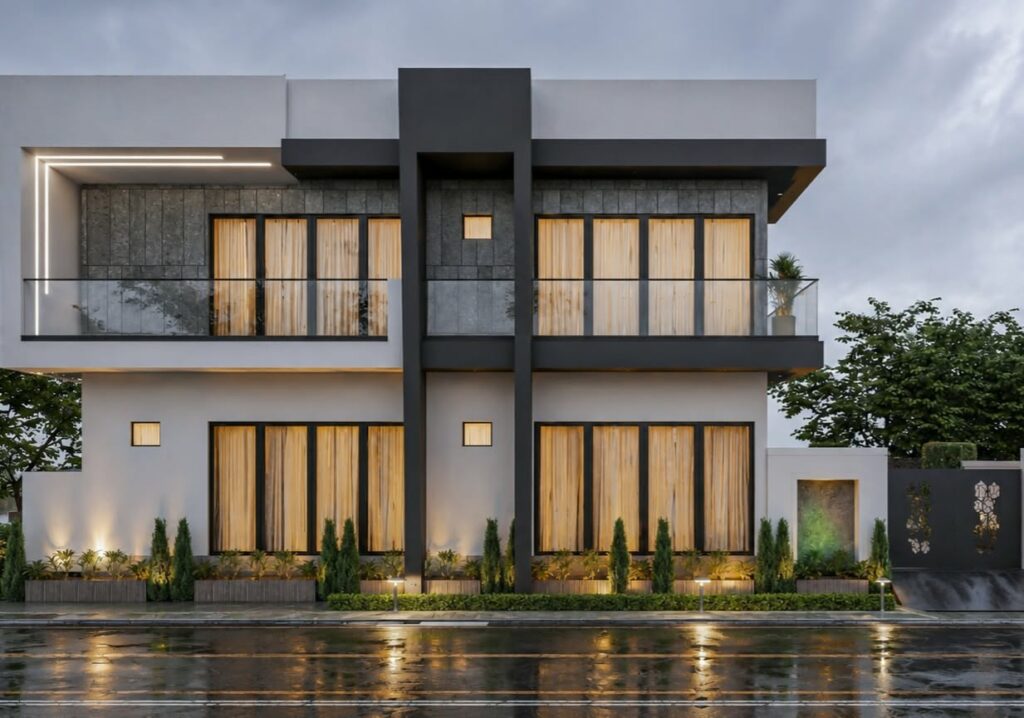
Safety and peace of mind are non-negotiable when choosing a home today, and modern apartment complexes often build in advanced security protocols. These include gated perimeters, 24/7 concierge services, elevators that require keycard access, and comprehensive CCTV surveillance networks. Physical protection is only part of the picture. Apartment buildings also foster a distinct sense of community. Residents live close to a diverse mix of neighbors and share communal amenities such as rooftop terraces, courtyards, and fitness centers, and that proximity naturally encourages social contact. The resulting network is especially welcoming for newcomers finding their way in a bustling metropolitan city.
Buyers also expect more from their living spaces, and modern apartment complexes respond with lifestyle-enhancing amenities that would be financially out of reach in a traditional home. State-of-the-art fitness centers, swimming pools, co-working lounges, and private screening rooms lift the daily routine. Apartments also suit many stages of life. They give a young professional an efficient, stylish sanctuary, a growing household a manageable layout, and downsizing seniors a secure, low-stress environment.
Environmental awareness is reshaping real estate development as well. Modern high-rise and mid-rise apartment buildings are engineered for high energy efficiency, using smart thermostats, LED lighting, solar integration, and high-performance insulation. Because units share structural walls with their neighbors, they naturally lose less heating and cooling energy than standalone houses do. An owner of an energy-efficient apartment actively reduces the household’s carbon footprint and also enjoys significantly lower utility bills.
On the investment side, real estate has proven itself over generations as an exceptional hedge against inflation. Apartments in thriving metropolitan areas where supply is constrained consistently show strong long-term appreciation. As urban populations swell and developable land shrinks, the value of the land beneath multi-family buildings climbs. A property in an up-and-coming neighborhood, with transit expansions or commercial developments on the way, is positioned for substantial capital growth over a horizon of five to ten years.
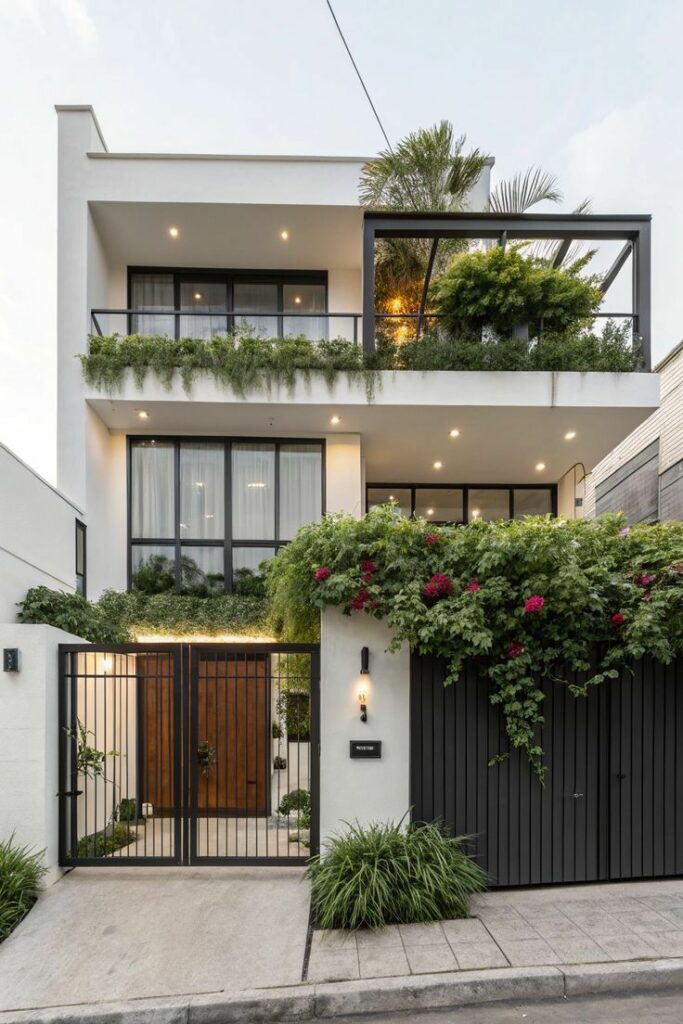
For those whose priority is portfolio diversification and wealth generation, the author describes an apartment as an exceptional vehicle for passive income. Urban rental properties stay in perpetual high demand among young professionals and transient workers who put location ahead of permanent ownership. An investor who buys in a high-demand rental market can secure reliable monthly cash flow. Hiring a professional property management company makes the investment truly hands-off, producing revenue while the tenant’s rent pays down the owner’s mortgage.
The author’s overall conclusion is that today’s dynamic real estate landscape demands a balance of practicality, lifestyle preferences, and long-term financial foresight. An apartment, in this assessment, checks every box by combining affordability, strategic location, low maintenance, and strong investment returns. Whether a buyer is stepping onto the property ladder for the first time or expanding an existing portfolio, the apartment is described as a secure foundation for the future.
Boiled down, the case rests on a handful of points: a lower cost of entry, a prime urban address, less upkeep, built-in security and community, and room for long-term growth and rental income. Which of those matters most is something each buyer has to weigh against their own financial goals.
If this breakdown was useful to you, take a moment to subscribe to the channel so the next report lands in your feed. Tap the like button if it helped, and switch on the notification bell so you never miss the latest news and updates.”