
Anyone weighing a brand-new house against an established one ends up asking the same thing: which choice leaves a buyer better off?
After ten years of advising people who are shopping for property, my answer is consistent. Buyers who want a solid financial asset and an easy first stretch of ownership usually fare better with new construction. I have seen plenty of them freeze at this decision. Four factors shape my view: the lending terms, the safety standards, the maintenance load, and the reputation of the company that builds the home.
Consider first how most buyers actually live. Work consumes the weekdays, and family and relationships fill the evenings. Whatever time is left rarely covers weekend repair jobs that keep expanding, or a house that is always asking for something. Older homes often carry hidden costs: a roof at the end of its life, plumbing from a different era, paint that has started to peel. Every fix takes money and hours away from the owner. For many first-time buyers, that is the reason a newly built home looks like the most practical door into the market.
Safety and compliance matter just as much. A home is a major investment, and it has to be structurally sound, safe to live in, and able to withstand the local climate. Older houses can hide code violations, hazardous materials such as asbestos or lead paint, and outdated electrical wiring. Any of these could demand costly remediation.
New properties follow a different path. Strict building codes govern how they are built, and municipal inspections verify the work. Those standards set rigorous benchmarks for structural integrity, fire safety, indoor air quality, and seismic resistance. Current codes also require high levels of insulation, so indoor temperatures stay comfortable all year without heavy heating or cooling. The infrastructure looks ahead as well. Electrical systems, plumbing networks, and foundational engineering are designed to support modern smart-home technology and high electrical loads. A buyer who picks new construction sidesteps the uncertainty of older properties that fall short of today’s legal or environmental benchmarks, and gains a safe sanctuary for years to come.

Day-to-day upkeep is where the difference shows most. New properties are engineered around contemporary lifestyles. Builders choose durable materials, advanced engineering techniques, and high-performance fixtures, all with the goal of keeping ongoing maintenance minimal. Surfaces are built to take heavy daily traffic, which means owners spend far less time cleaning and scrubbing. High-end plumbing, modern cabinetry, and energy-efficient lighting are selected to last, so nothing needs replacing soon after move-in.
Warranties add another layer. Unlike older resale homes, new builds typically come with robust builder warranties. These generally combine short-term coverage for minor cosmetic defects that surface as the house settles with extensive structural coverage that can run as long as a decade. The protection spares owners from unexpected out-of-pocket costs just when they are trying to steady a household budget.
Money is the other major consideration. Entering the market can feel intimidating, particularly while mortgage interest rates swing and valuations keep shifting. A new build offers a distinct kind of financial stability, along with the potential for capital growth over the long term.
The advantage starts with the loan. Many lenders and regulatory frameworks apply looser Loan-to-Value Ratio, or LVR, limits to new developments than to established houses. In practice, a smaller down payment can be enough to get started. The barrier to entry falls, and the road to ownership gets shorter.
Location strengthens the case. New residential projects are often master-planned and placed in growing urban corridors or expanding suburban zones. Those areas typically benefit from coordinated municipal infrastructure spending, nearby retail hubs, and Improved public transit networks. Homes there frequently appreciate at an accelerated rate, which makes them strong vehicles for building wealth across many years.
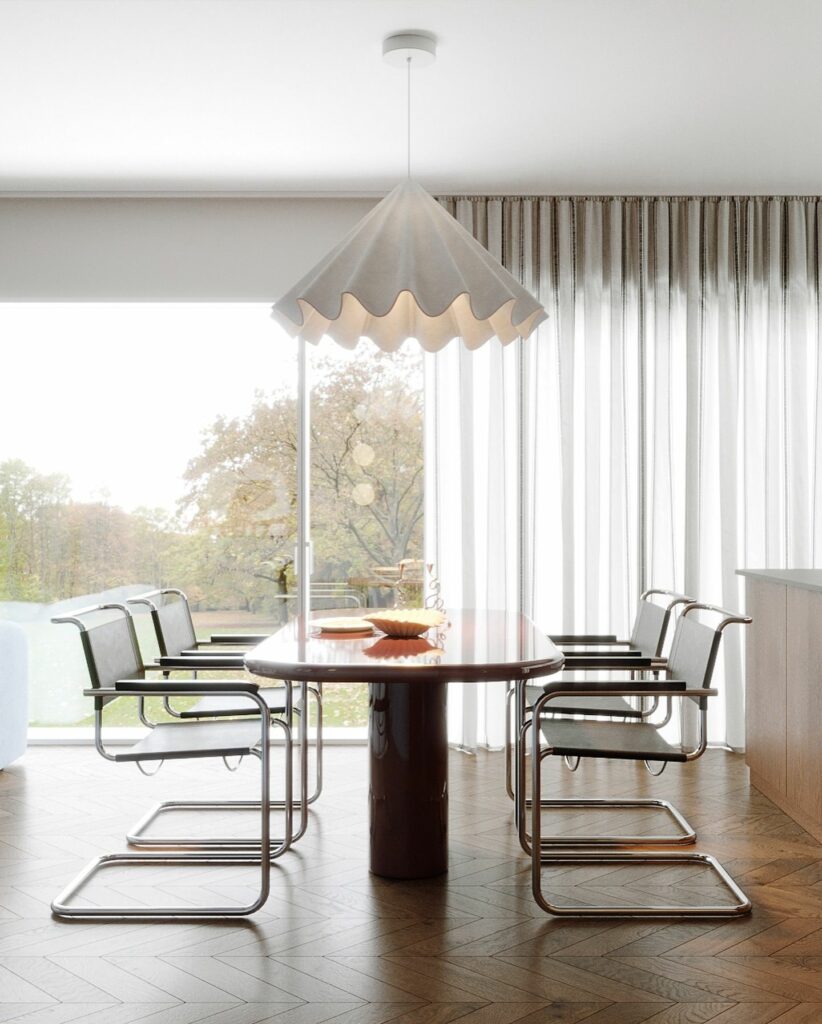
Monthly costs shrink too. Modern architectural design puts heavy emphasis on thermal efficiency. Advanced insulation, high-performance double-glazed windows, and ENERGY STAR rated appliances cut utility bills sharply. Even after a mortgage payment is added, the overall cost of living stays lean, and the financial shift into ownership goes much more smoothly.
The fourth factor is the company behind the project. Buying new construction involves more than bricks and mortar. It also rests on the accountability and reliability of the builder. Established developers have a vested interest in protecting their market reputation, which gives them every reason to deliver exceptional craftsmanship.
A reputable builder means transparent construction timelines, fixed-price contracts, and professional project management. That predictability is invaluable for a buyer juggling mortgage financing, moving logistics, and lease terminations all at once. Top-tier builders also provide dedicated customer care teams and post-purchase walk-throughs. Once the keys change hands, those teams take care of any minor touch-ups, so the move into the new home is completely seamless.
Lending terms, building codes, a light maintenance load, and a builder’s accountability all point in one direction for anyone comparing a new home with an older one. What remains is a personal decision: which home fits the life you want to build? That question, more than any single figure, is what the final choice comes down to.
If this breakdown was useful, subscribe to the channel and hit the like button so more homebuyers can find it. Switch on the notification bell too, and the newest news and analysis will show up in your feed as soon as it goes live.”