
A single apartment that doubles as a place to live, a growing asset, and a source of monthly rent: that is the proposition at the heart of a report drawn from ten years of work in the real estate market.
The writer treats a permanent residence as a financial strategy, not just a structure with walls and a roof.
According to the report, expanding metropolitan centers and shifting housing tastes have turned apartments into a leading choice for people who want financial freedom and flexibility in how they live. Whether a buyer is scanning prime listings or weighing mortgage rates on a smart asset, the writer says, it pays to grasp why apartments now dominate the market.
Cost comes first. Budget and upfront expenses decide where most prospective homeowners begin, and apartments generally ask much less of a buyer than standalone single-family houses. That puts them within reach of first-time buyers who face steep housing hurdles. A condo or apartment unit lets a buyer step onto the property ladder with a smaller down payment, manageable monthly mortgage insurance, and realistic home loan refinancing options down the road. Liquidity stays protected while equity builds.
Location carries the most weight, the writer argues, calling it the undisputed king of property value. Urban apartments tend to sit in thriving city centers or transit-oriented developments, seconds from major commercial hubs, public transit systems, and corporate offices. Commutes shrink sharply, freeing up hours for career or family. Residents who live beside top-tier dining, shopping districts, and entertainment venues also gain a real Improvement in daily life, and they spend far less time behind the wheel.
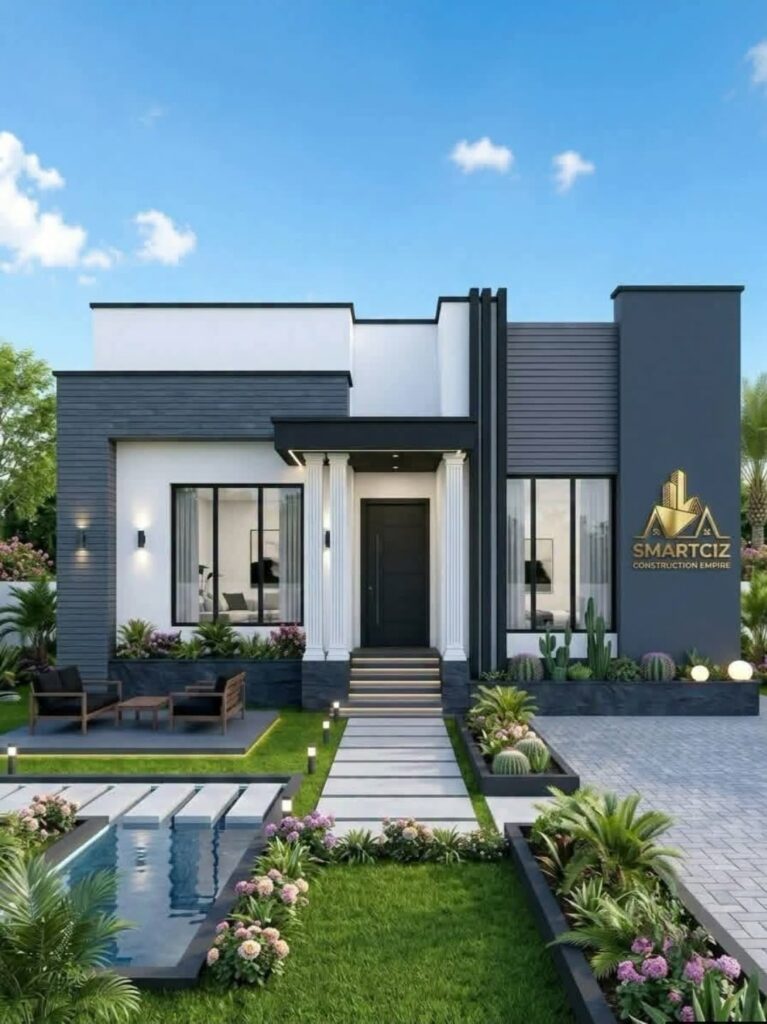
Maintenance is a separate matter. Houses often come with an endless weekend to-do list, from clearing gutters to fixing roofs. Apartment living takes exterior upkeep off the owner’s shoulders, and the writer ranks that among its biggest advantages. Most residential complexes employ dedicated property management and maintenance teams that handle everything from landscaping in common areas to emergency plumbing repairs. Busy corporate professionals, digital nomads, and retirees all benefit from an arrangement that removes surprise repair bills and returns weekends to leisure.
Safety, the report says, is a non-negotiable priority for modern households, and managed apartment communities perform well on it. Typical security setups include controlled electronic access gates, 24/7 onsite personnel, and closed-circuit surveillance systems. These buildings also foster a lively communal atmosphere. Shared amenities such as rooftop lounges, co-working spaces, and fitness centers encourage natural interaction among residents. The outcome is a dependable social network, particularly welcoming to newcomers and people living alone.
Turning to investment, the writer notes that real estate has historically served as a robust shield against inflation. Well-managed apartments in high-demand metropolitan zones offer strong potential for capital appreciation. As local infrastructure Improves and urban density rises, property values climb steadily, supporting a healthy return on investment for owners who sell later. Urban apartments also hold their resale value remarkably well through broader economic shifts, which makes them a dependable anchor in an investment portfolio.
Income follows naturally from that. Well-located urban apartments draw constant demand from renters, corporate tenants, and digital nomads who want turnkey city living, and that demand opens a major opportunity for passive income. An owner who hires professional property management can turn a unit into a reliable, cash-flowing asset that delivers monthly rental revenue while its underlying market value keeps rising. For anyone whose main goal is a secondary revenue stream, the writer says, buying an apartment unlocks substantial potential.
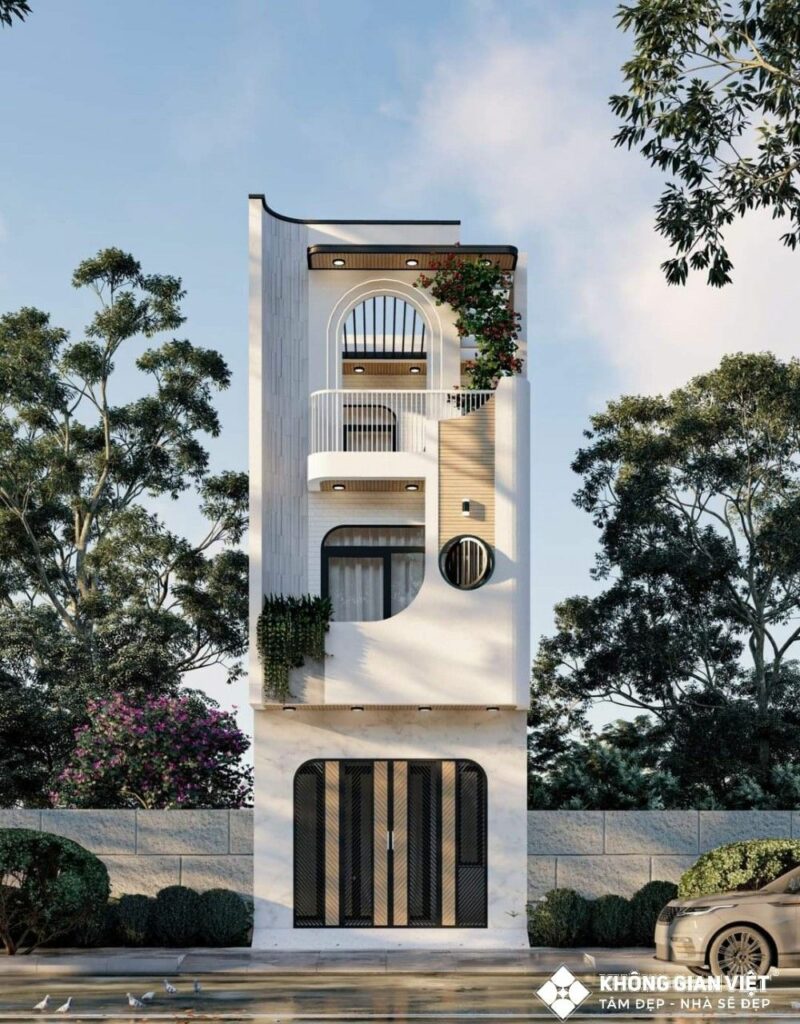
Flexibility is another theme. The report describes modern apartments as architectural chameleons that adapt smoothly to different life stages. A dynamic young entrepreneur, a minimalist couple, and a retiree downsizing can each find layouts with unmatched spatial efficiency. Contemporary developments also place lifestyle perks at the front door, including state-of-the-art gymnasiums, swimming pools, and landscaped courtyards. Residents enjoy them without carrying the staggering private upkeep costs of a standalone estate.
Environmental concerns are reshaping housing as well. Forward-thinking developers now build residential apartments to strict energy efficiency standards, using high-performance insulation, smart thermostats, and renewable energy sources. Because infrastructure is shared, an individual resident’s carbon footprint is naturally smaller than that of someone living in a sprawling suburban house. By this account, choosing an apartment aligns a household’s lifestyle with global sustainability goals and lowers utility bills too.
Taken together, the case rests on a blend of financial growth, operational convenience, and lifestyle comfort suited to a fast-paced world. The benefits run from affordability to strong passive income potential. In the writer’s assessment, apartments offer a resilient solution for navigating the complexities of the modern real estate market. The writer also points interested buyers to a curated selection of properties and an advisory team that can arrange a private consultation as a first step toward smart homeownership.
In short, low entry costs, central locations, and shared services that lighten the burden of ownership give the apartment its appeal on both the financial and lifestyle fronts. The report’s arguments boil down to one idea: a single home that can also grow in value and bring in monthly rent.
If this breakdown was useful, tap subscribe so the next video lands in your feed. A like helps other viewers find it, and switching on the notification bell means the latest news reaches you the moment it drops.”