
Ask a real estate professional with a decade in the business what he recommends, and his answer rarely changes.
An apartment, he says, makes sense for a buyer’s finances and for the way a household lives day to day. Many buyers still lean toward a freestanding house, so his reasoning is worth walking through in full.
The stakes explain why. For most families, a home is the biggest purchase they will ever make, and they make it once or twice in a lifetime. The money behind it took years to earn. Choices run from single-family detached homes in the suburbs to sprawling townhouses to luxury high-rise condos, and none of them should be chosen on Impulse. Before a buyer signs a mortgage or closes on a property, he says, the benefits, the financial consequences, and the fit with the household’s real lifestyle all need weighing.
Location is the first argument. The oldest rule in real estate puts location at the top, and apartments hold the edge. Prime land in a city center is scarce and extremely expensive, so independent houses and large villas get pushed out to the suburban fringes. Apartments, by contrast, are built strategically across core urban districts. That puts owners near their jobs, top-tier schools, healthcare facilities, and vibrant cultural hubs. A shorter commute returns time to the day, trims transportation costs, and noticeably Improves quality of life. For that reason, he calls apartments the premier choice for modern city dwellers and astute property investors alike.
Price is the second argument. Within the same neighborhood, an apartment generally costs far less than a standalone house or villa of comparable quality. Even a luxury high-rise penthouse comes in below a suburban villa on cost per square foot. A smaller upfront outlay means a buyer can enter the market sooner and carry a more manageable mortgage. It also keeps the buyer from becoming house-poor while still owning the home outright.
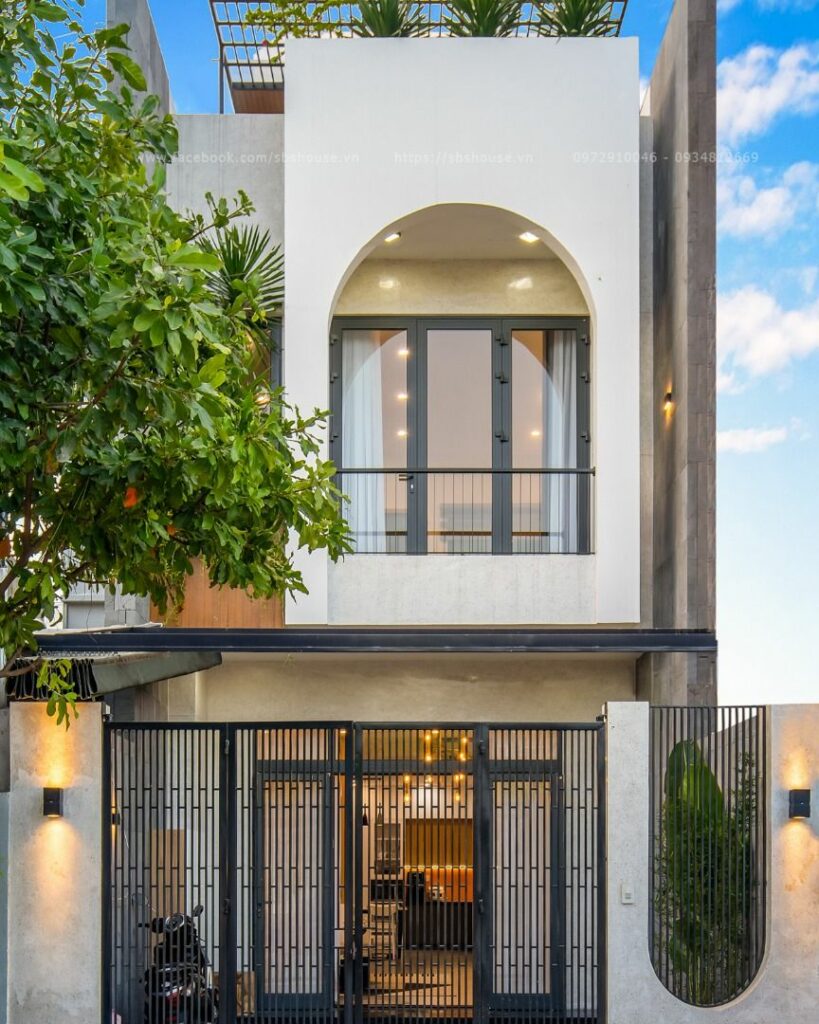
Shared facilities make each dollar go further. A modern residential complex typically includes fully equipped, state-of-the-art fitness centers and gymnasiums, along with professional swimming pools and sun decks. Residents also have indoor game lounges, recreational rooms, dedicated children’s play parks, and green spaces. Sports courts, barbecue pits, and multipurpose halls round out the list. Reproducing all of that on a single-family lot would demand massive capital expenditure, and building, maintaining, and insuring it alone would drain a savings account almost Immediately. In a multi-family community, the residents divide those costs, which brings luxury living within much easier reach.
Apartments also adapt to different households. They come in a wide range of layouts, square footages, and architectural styles, so a family can pick a floor plan that follows its changing needs. Modern developments add top-tier construction standards, premium interior finishes, smart home automation, and energy-efficient fittings.
Security is a concern for every homeowner, and modern apartment complexes meet it with multi-tiered systems that never switch off. Biometric access controls, CCTV surveillance networks, and gated perimeters work alongside professional security personnel on duty 24/7. The setup suits professionals, frequent travelers, and families who value peace of mind, because it allows a lock-and-leave lifestyle. When the owner is away on a business trip or an extended vacation, the property remains secure and monitored. The nagging worry about an empty standalone house goes away.
Running the household also takes less effort. In a well-managed complex, residents skip the logistical headaches of home maintenance, since essential infrastructure is built into the community. Designated, secure parking structures include EV charging provisions. Power backup generators cover 100% of the complex, so service continues without interruption. Redundant alternative water supply systems and centralized gas pipelines are paired with advanced fire safety suppression mechanisms.
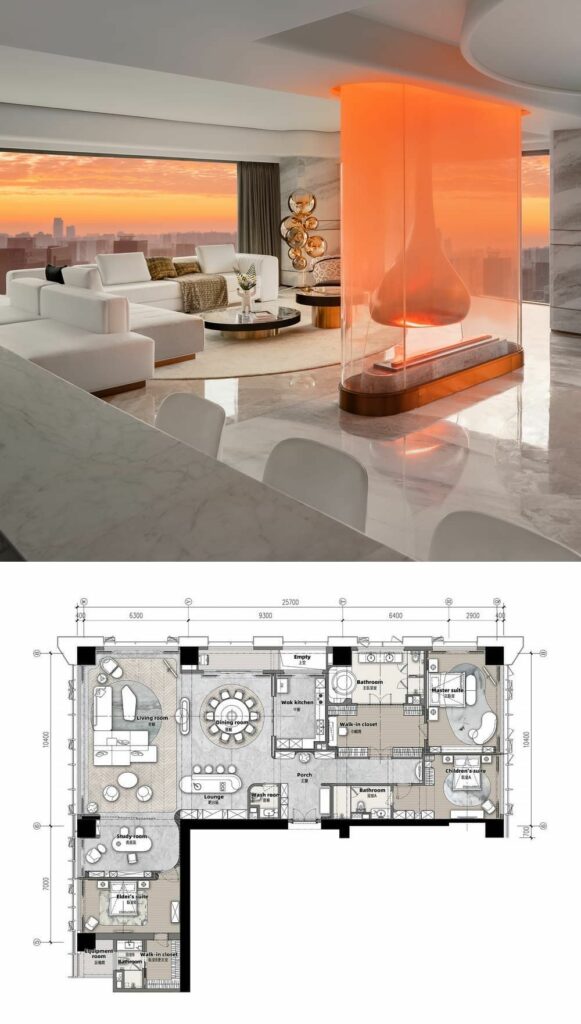
Paying for utilities gets simpler as well. Digital property management portals handle the billing, so residents no longer wait in long, dusty queues at municipal offices. Repairs show the same contrast. When something breaks in an independent house, finding reliable contractors can be a nightmare. In an apartment complex, the resident association or a professional property management team handles upkeep efficiently. Common areas, pristine landscaping, manicured lawns, and exterior facades stay in flawless condition, and owners do no physical labor to make that happen.
Families with children get one more benefit. The lively atmosphere of a shared community encourages instant socializing. Children find playmates close to their own age every single day, and parents form lasting friendships with their neighbors. This built-in social fabric reduces isolation and creates a supportive micro-community, something isolated suburban neighborhoods rarely provide.
Add up the financial savings, the lifestyle convenience, the robust security, and the prime locations, and he considers buying an apartment a brilliant strategy for today’s market. Buyers ready to explore available listings, analyze mortgage rates, or tour prime residential developments matched to their financial goals can contact the expert advisory team. A private consultation can be scheduled there, and it marks the next confident step toward homeownership.
Lower costs, a central location, shared amenities, and round-the-clock security all point the same direction: an apartment can deliver value in both finances and daily routine. Which of those strengths counts most is something each household has to decide for itself. The facts laid out here leave that weighing to the buyer.
If this report helped you, tap subscribe and hit the like button so more coverage like it keeps reaching you. Turn on the notification bell too, and the latest news will show up in your feed as soon as it is published.”