
Eight advantages keep surfacing whenever the question turns to which kind of home serves a buyer best, and together they explain why the apartment keeps coming out on top.
Lower cost, a central location, flexible sizing, shared amenities, layered security, centralized utilities, professional maintenance, and a built-in community all point the same direction. The alternatives are an independent house, a large villa, or a multi-family residential unit. Measured by return on invested capital, long-term value, and convenience in daily life, the apartment leads them all.
The stakes explain the care this choice demands. A home purchase is among the biggest financial commitments a person ever makes, and most people make it only once or twice. The money behind it was saved over years of hard work, so every option deserves close scrutiny before anyone signs a contract.
This view comes from experience rather than theory. After a decade of advising clients and studying urban housing trends across residential markets, I have watched apartment living evolve. Today’s developments are nothing like plain concrete boxes. They are planned communities built around comfort, security, and financial return. What follows explains why buying an apartment makes sense and how it stacks up against traditional housing.
Start with price, arguably the strongest argument. In a prime city center, even a luxury apartment usually sells for far less than an independent house or villa of similar square footage. A smaller upfront outlay frees cash for other investments or an emergency fund. A buyer can own a tangible asset without straining personal finances.
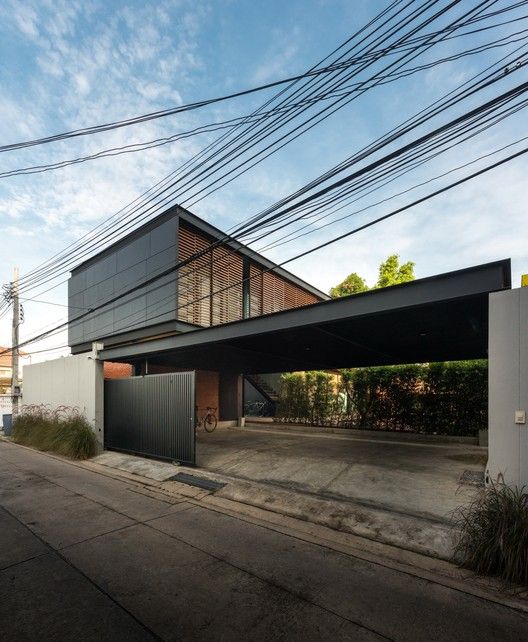
Shared costs widen that advantage. Imagine installing a private swimming pool, a fully equipped fitness center, an indoor gaming zone, a children’s play park, a tennis court, or a landscaped rooftop terrace on a single-family property. Each one demands massive spending to build and to maintain. In an apartment community, the community association divides those bills among all residents. Each household gets world-class facilities steps from its front door for a fraction of the price, and daily quality of life Improves without denting savings.
Location counts just as much. Land is scarce in major metropolitan areas, which pushes independent houses out to remote suburban edges, and commuters pay for that distance every day with an exhausting trip. Apartments rise in core urban districts and next to established transit corridors, placing residents near workplaces, top-tier schools, healthcare facilities, and commercial districts. Shorter commutes give hours back to family, leisure, and personal well-being.
Buyers also have room to choose. Apartments come in an extensive range of configurations, layouts, and square footage, so a household can match its home to present needs and future plans. A young professional, a newly married couple, or a growing family can each pick a unit suited to their way of life and avoid paying for space they never use. Architectural standards, interior fittings, and structural layouts vary considerably too, from compact studios to luxury penthouse suites with high-end smart-home automation.
Daily household management is where the two lifestyles diverge most. Owners of standalone homes arrange their own utilities, hunt for maintenance contractors, and deal with breakdowns in municipal supply. Apartment communities depend on robust, centralized infrastructure: uninterrupted power backups, alternative water supply reserves, piped gas networks, and integrated fire safety mechanisms. Digital tenant portals or resident committees handle utility payments, maintenance accounts, and facility requests, so no one needs to visit a bureaucratic municipal office.
Physical upkeep makes up the other half of the burden. An independent house can turn every weekend into an endless project. Leaking roofs need repair, exterior walls need repainting, lawns need mowing, and hedges need trimming, and the owner answers for all of it. Apartments pass that work to a dedicated facility management team or a resident caretaker committee. Common areas, manicured lawns, building facades, and shared elevators get professional attention year-round, so residents enjoy pristine surroundings without lifting a finger.
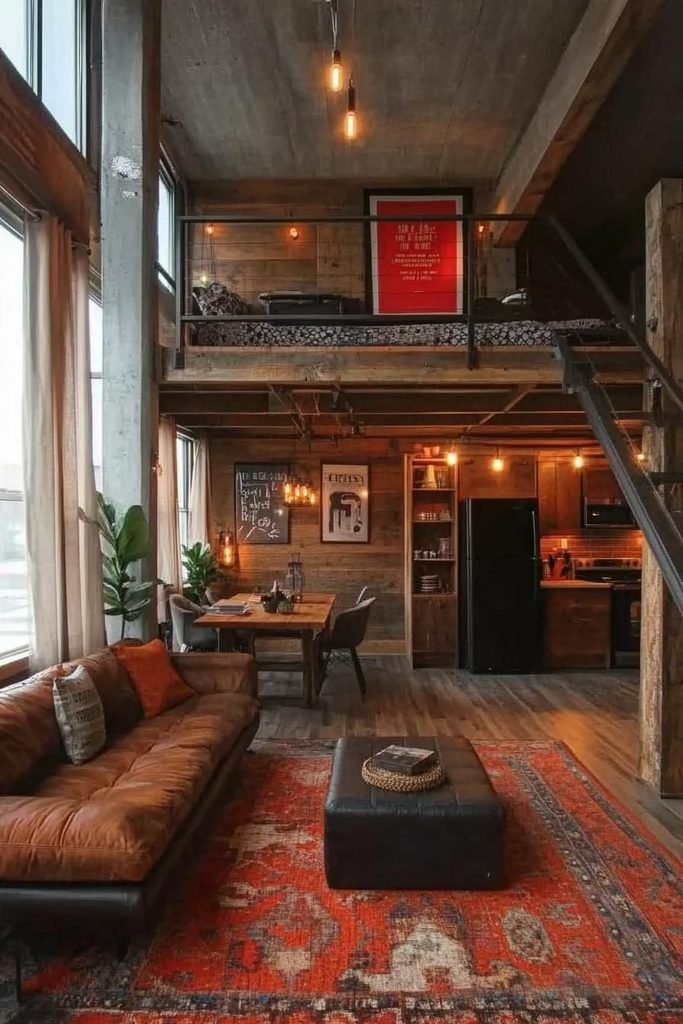
Security works on the same shared principle, and professionals who travel often or keep demanding schedules benefit the most. Apartments operate a multi-layered system that independent homes can rarely match at an affordable price. It includes 24/7 surveillance cameras, gated access points, intercom systems, and professional security personnel on duty around the clock. The home stays protected even when its owner is thousands of miles away, a peace of mind that families and frequent flyers both value.
Community is the final benefit, and independent homes cannot replicate it at all. Growing families find a lively social atmosphere where children easily meet peers their own age and build essential social skills in a secure neighborhood. Adults gain as well. Neighbors become lifelong friends and form a supportive local network, which eases the isolation often felt in gated suburban enclaves. Shared community spaces serve as natural gathering points, and a simple housing complex becomes a tight-knit neighborhood.
A purchase of this size calls for clear insight and strategic planning. Understanding the nuances of apartment living lets buyers secure maximum value, whether the goal is a first property or a larger investment portfolio.
Each advantage described here traces back to the three measures set out at the beginning: long-term value, everyday convenience, and return on invested capital. On all three, the apartment holds the lead, and that consistency is what makes it the strongest choice for the modern homeowner.
If you want more real estate reporting like this, subscribe to the channel and hit the like button on the video. Turn on the notification bell too, so every new story reaches you the moment it goes live.”