
Buying a home is really a decision about when your money starts working.
Viewed that way, the choice between a suburban house and a city condo looks different. Over a decade of advising buyers, I have heard some version of that question from hundreds of people sitting across my desk. I have also watched the American economy keep changing, and my answer rarely shifts. For a modern buyer, an apartment is frequently the smartest and most flexible financial move on the table. Shared amenities are only the opening argument. An apartment pairs affordability with a five-star upgrade in lifestyle, and nothing about daily comfort has to be given up.
Price is where most buyers begin, and the numbers favor apartments. In major metropolitan hubs, single-family detached homes now sit out of reach for a huge share of the population, while apartments open a far wider door into ownership. A unit costs less in total and less per square foot than a detached house, and the down payment and closing costs shrink accordingly. A smaller principal balance also means lower monthly mortgage payments, which protects your debt-to-income (DTI) ratio. First-time buyers no longer need ten years of saving to put 20% down on a million-dollar suburban home. They can start building home equity years earlier. In wealth-building, entering early counts for more than finding the perfect moment, and an apartment lets your capital compound years ahead of your peers.
Location comes next, and it is the single most critical determinant of long-term property appreciation. Single-family homes in prime downtown districts or trendy urban cores are rare and prohibitively expensive. Apartments and condominiums are deliberately built where daily life happens, so the owner lives at the center of the city. Corporate hubs, tech incubators, and financial districts are within walking distance, and the hours burned in agonizing daily highway traffic disappear. Rapid transit systems, metro lines, and bike-sharing networks are close at hand, as are world-class culinary and entertainment scenes. That convenience hands free time back to the owner and raises day-to-day happiness. It also protects resale value over the long run, because urban land is finite and convenience is a commodity that never loses its worth.
Now consider what the lifestyle itself would cost on a private lot. A backyard with an Olympic-sized swimming pool, a fully equipped commercial-grade gym, a sauna, and a rooftop terrace would run into the hundreds of thousands of dollars. In an apartment building, the residents divide that expense among themselves, so the same luxury arrives at a fraction of the price.
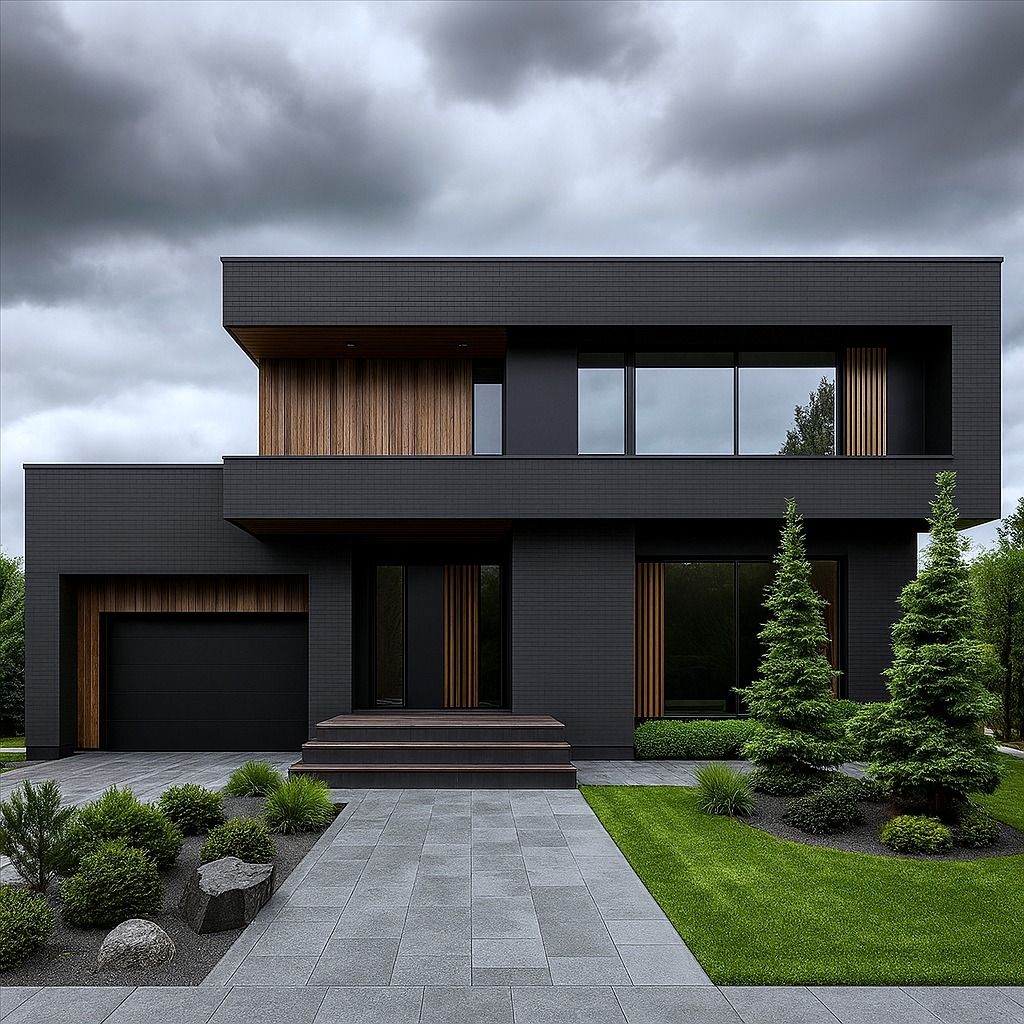
Upkeep marks another dividing line. Owning a detached house amounts to a second job with no end date. Cleaning gutters, patching roofs, servicing HVAC units, and mowing sprawling lawns eat up entire weekends, and the work can also trigger thousands of dollars in unexpected capital expenditures. In an apartment, that operational burden moves to a professional Homeowners Association (HOA) or property management team. Roof replacements, exterior painting, structural repairs, and landscaping are handled collectively and funded through monthly dues. HOA fees do exist, but they let you budget for maintenance in advance rather than absorbing a sudden five-figure plumbing or roof emergency. For busy entrepreneurs, remote executives, and frequent travelers, this “lock-and-leave” lifestyle offers ultimate peace of mind. The property serves you, rather than the other way around.
Safety weighs on modern urbanites as well. Standalone houses often call for expensive, piecemeal security system installations and constant vigilance. Modern apartment buildings and gated communities, by contrast, are engineered from the ground up with multi-layered security infrastructure: key fob entry systems, secure underground parking garages, and 24/7 video surveillance. Front-desk concierges and dedicated security staff vet visitors and handle package deliveries safely. Community is built in too. Rooftop lounges, fitness centers, co-working spaces, and courtyards create organic chances to network and form relationships with neighbors. For someone new to a city, that ready-made community is an invaluable social anchor.
The investment case is just as strong. Real estate has historically proven to be one of the most reliable hedges against inflation, and well-managed apartments in thriving job markets show robust capital appreciation over 5-to-10-year horizons. Apartments appeal to a broad demographic, from Gen Z professionals and young couples to downsizing empty nesters, so the pool of future buyers stays perpetually deep. That high liquidity means your asset can command competitive market attention when you are ready to exit or upsize. Urban infill policies also restrict the construction of new high-density housing, which shields your investment from oversupply.
Anyone assembling a robust real estate investment portfolio will find apartments an ideal vehicle for passive income. Professionals and young families increasingly prefer renting or buying low-maintenance urban spaces to commuting from distant suburbs, so rental demand is high. Local property management firms can handle tenant screening, rent collection, and maintenance calls, turning the apartment into a truly hands-off income stream. Whether you choose a traditional long-term lease or corporate housing, the unit works as a reliable source of steady cash flow.

Environmental efficiency also counts in the apartment’s favor, and modern real estate development emphasizes it heavily. Today’s apartment complexes incorporate green building certifications, solar panels, high-performance double-pane windows, smart thermostats, and centralized waste recycling programs. Residents share structural walls and efficient utility grids, so apartment dwellers naturally leave a smaller carbon footprint than people heating and cooling sprawling standalone houses. Sustainable living is no longer just a moral choice, because energy-efficient buildings translate directly into lower monthly utility bills.
Line these points up together and the case holds. Navigating today’s dynamic property market takes a strategic balance of lifestyle fulfillment and sound financial foresight, and buying an apartment delivers both: lower entry barriers, prime urban convenience, minimal maintenance, and strong long-term appreciation. If you are ready to stop paying your landlord’s mortgage and start building your own equity, reach out today. You can schedule a one-on-one portfolio consultation with our expert team to explore hand-picked apartment opportunities tailored to your financial goals.
An apartment folds a lower cost of entry, a central address, and shared services into one purchase, and each of those carries financial weight over time. Whether a suburban house or a city unit suits you best depends on which one advances your plan for building equity. Perhaps the most useful thing to take away is a single question: which purchase gets your money working first?
If this breakdown was useful, tap the subscribe button so the channel stays on your radar. A like helps the video reach more viewers, and switching on the notification bell means the latest updates land the moment they go live.”