
Families, young professionals, and seasoned investors keep landing at the same crossroads, unable to choose between a villa and an apartment.
A residential real estate consultant with ten years in the field has advised all three groups, and one conclusion has held in every case. The decision shapes how a person lives, and money is only one piece of it. A home purchase determines what you see when you wake up, how fast your net worth grows, and how well you sleep at night. Each of those outcomes traces back to the type of property you choose.
In a competitive market, a deliberate approach pays off. This comparison measures villas and apartments against four yardsticks: location, space, amenities, and operating costs. The goal is to help you buy with confidence.
Begin with location. The long-standing rule that place matters most has not expired, and villas and apartments occupy very different ground across metropolitan and suburban areas.
Villas cluster in suburban and peri-urban corridors, where land is cheaper and easier to secure. Streets there are quieter, ambient noise is lower, the air is cleaner, and large gated communities are organized around peaceful family life. The trade-off is a longer daily trip to central business districts, commercial hubs, and entertainment quarters. A villa buyer ends up in a private, low-density, quiet enclave on the suburban fringe or the outskirts of a gated community.
Apartments, by design, sit on prime urban land. Developers put high-rise towers and mid-rise complexes close to transit hubs, financial districts, top-tier educational institutions, and healthcare centers. Residents can cut their commutes sharply and walk to cafes, restaurants, and cultural landmarks. What they surrender is the quiet seclusion of a suburban villa community. Apartment buyers find themselves in urban centers, along transit corridors, and in downtown cores, surrounded by dense, energetic neighborhoods.
Space is the next measure, and it sets the baseline for comfort. Architectural trends have shifted considerably over ten years, yet buyers still want the same thing at heart: functionality paired with aesthetic appeal.

Villas are synonymous with generous footprints, multi-story layouts, and uncompromised privacy. They suit buyers who want room to breathe, customized interiors, and private outdoor ground. Indoors, expect expansive multi-level floor plans with high ceilings. Outdoors, expect private yards, terraces, and dedicated land titles. A buyer who Imagines open-air gatherings in a backyard, a private garden, or a custom home gym with no structural limits will find the physical canvas in a villa. Villas also carry high potential for structural expansion or remodeling.
Contemporary apartments take another route, and they rank as masterpieces of efficient design. Modern multi-family developments stretch their square footage with intelligent floor plans that trim wasted corridors and maximize natural light. Interiors lean toward optimized, single-level, open-concept configurations, while outdoor access comes through shared balconies, community decks, or rooftop lounges. The footprint is fixed and capped by building bylaws. For individuals and couples who want a streamlined, low-maintenance lifestyle without giving up central accessibility, an apartment is a compact and highly functional alternative.
Amenities make up the third factor, and they weigh heavily on both everyday quality of life and long-term property valuation. The contrast here is between absolute exclusivity and the cost-efficiency of shared community infrastructure.
A villa delivers an unmatched level of personal luxury. The private swimming pool, the secluded lawn, and the custom garage belong to the owner alone, with no scheduling conflicts and no community rules. Personal gardens and custom patios complete the picture. Total ownership, however, means the owner pays 100% of the maintenance, cleaning, and repair costs for every one of these features. The spending is high and continuous, and the owner alone manages and finances it.
Apartments run on a communal model with strong appeal for modern urban residents. When hundreds of co-owners pool their money, a residential complex can offer high-end facilities that would be cost-prohibitive for any single household to build and maintain. Examples include Olympic-sized swimming pools, fully equipped fitness centers, rooftop lounges, 24/7 security, and community halls. Community association management also takes care of upkeep on these shared spaces, which frees weekends for leisure instead of property maintenance. Operating costs are divided among many units, and the work is funded through HOA and maintenance fees.
Money is the fourth and final factor, because financial planning underpins every successful purchase. The sticker price tells only part of the story. A sound comparison also weighs total cost of ownership (TCO), property taxes, maintenance liabilities, and the long-term resale appreciation the property is likely to deliver.
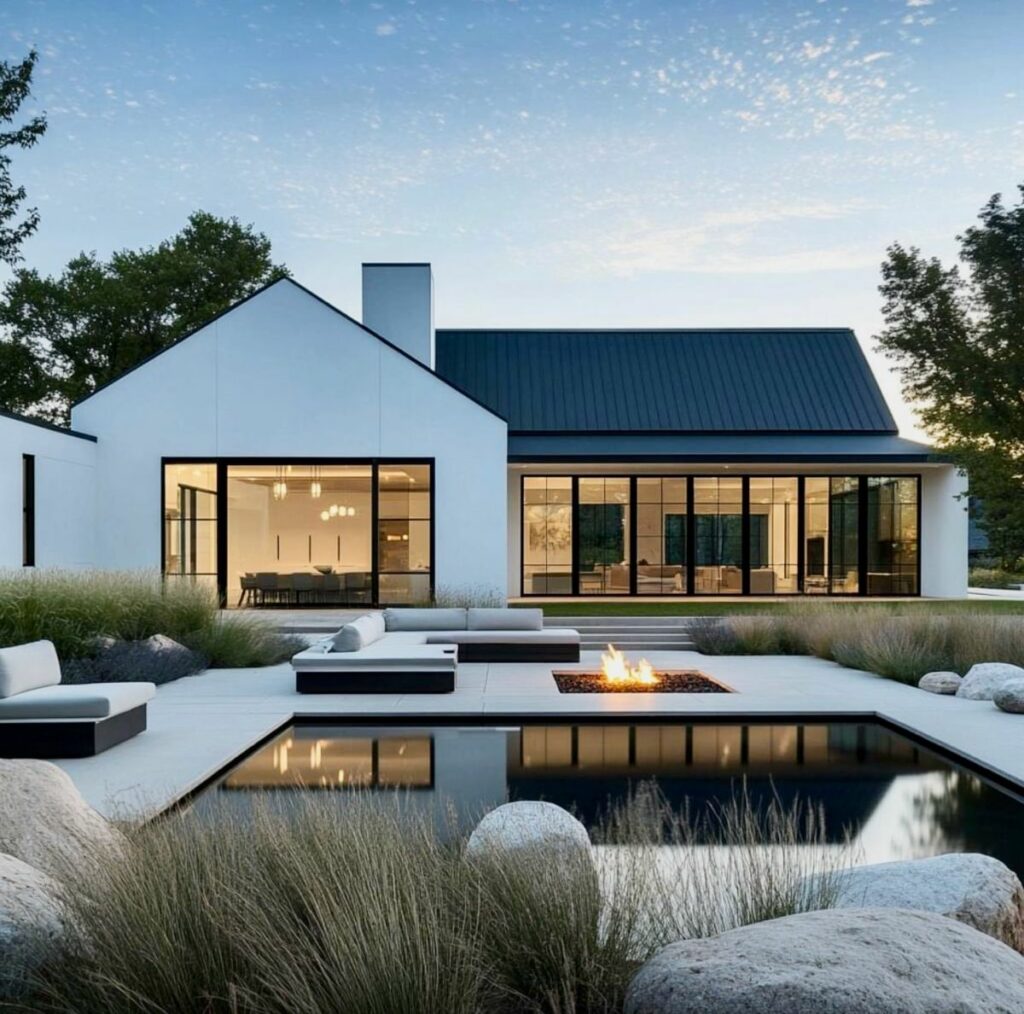
A villa typically demands the larger upfront payment, because the buyer acquires both the structure and the land title beneath it. Land appreciates faster than buildings, so villas have historically produced robust long-term capital growth. The ongoing budget, though, must leave room for substantial property insurance, roof replacements, exterior painting, landscape maintenance, and security systems. These costs fluctuate, and the owner manages and finances every one of them.
An apartment is the more accessible entry point into the market. It lets investors secure a position in prime, high-appreciation urban locations without an exorbitant initial budget. Its value also rests on different drivers, namely strong rental yields and steady urban demand, rather than land value. Monthly or quarterly maintenance fees are a permanent part of apartment ownership, and association dues come with the territory. Even so, those charges are predictable, and they cover a wide range of communal services that would otherwise require individual out-of-pocket spending.
With all four factors on the table, the decision depends on an honest look at your current life stage, family structure, career demands, and long-term aspirations. A few qualifying questions can sharpen that look. Do you want a spacious sanctuary with complete architectural autonomy, or a lock-and-leave lifestyle that minimizes chores? Would you accept a longer daily commute in return for quiet suburban luxury, or does urban convenience come first? Choosing on the basis of your real daily habits, rather than idealized aspirations, protects your investment and supports lasting satisfaction at home.
The villa-versus-apartment debate has no universal winner. The answer rests entirely on your personal priorities, financial strategy, and vision for how you want to live. Whether you are drawn to the independent elegance of a private villa or the efficient, connected convenience of a modern apartment, your ideal home is out there.
Location, space, amenities, and budget each point in a different direction depending on the buyer, and no single property type wins on all four. Which of those factors carries the most weight in the life you actually lead?
If this breakdown made your decision a little clearer, subscribe to the channel so the next one finds its way to you. Give the video a like if it earned one, and turn on the notification bell to catch our latest reports the moment they go up.”